Cart 0
Cart 0

Regenerative Agriculture at SCA’s Linden Farm

At SCA’s 150-acre Linden Farm in Dickerson, we’re exploring a different way of growing food—one that works with natural systems to rebuild soil, strengthen farms, and support a healthier environment.

In 2020, SCA launched a regenerative agriculture pilot program on part of the farm. Since then, the initiative has grown into a long-term effort to restore soil health, improve the resilience of the land, and demonstrate agricultural practices that can benefit farmers, ecosystems, and the wider community.

What is regenerative agriculture?

Regenerative agriculture is an approach to farming that focuses on improving the health of the soil and the entire system around it.

Rather than relying on a single practice, regenerative farming brings together techniques that can help:

  • Build healthier, more fertile soil

  • Increase water infiltration and drought resilience

  • Capture and store more carbon in the soil

  • Reduce soil disturbance and chemical inputs

  • Increase plant and wildlife diversity

  • Keep living roots in the soil for more of the year

  • Integrate livestock where appropriate

  • Improve the long-term resilience and economic viability of farms

Many of these ideas have deep roots in traditional and Indigenous agricultural practices and are increasingly being adapted for today’s farms.


Curious about regenerative agriculture?

Scroll to the bottom of this page to share your questions, interests, or what you’d like to learn more about.
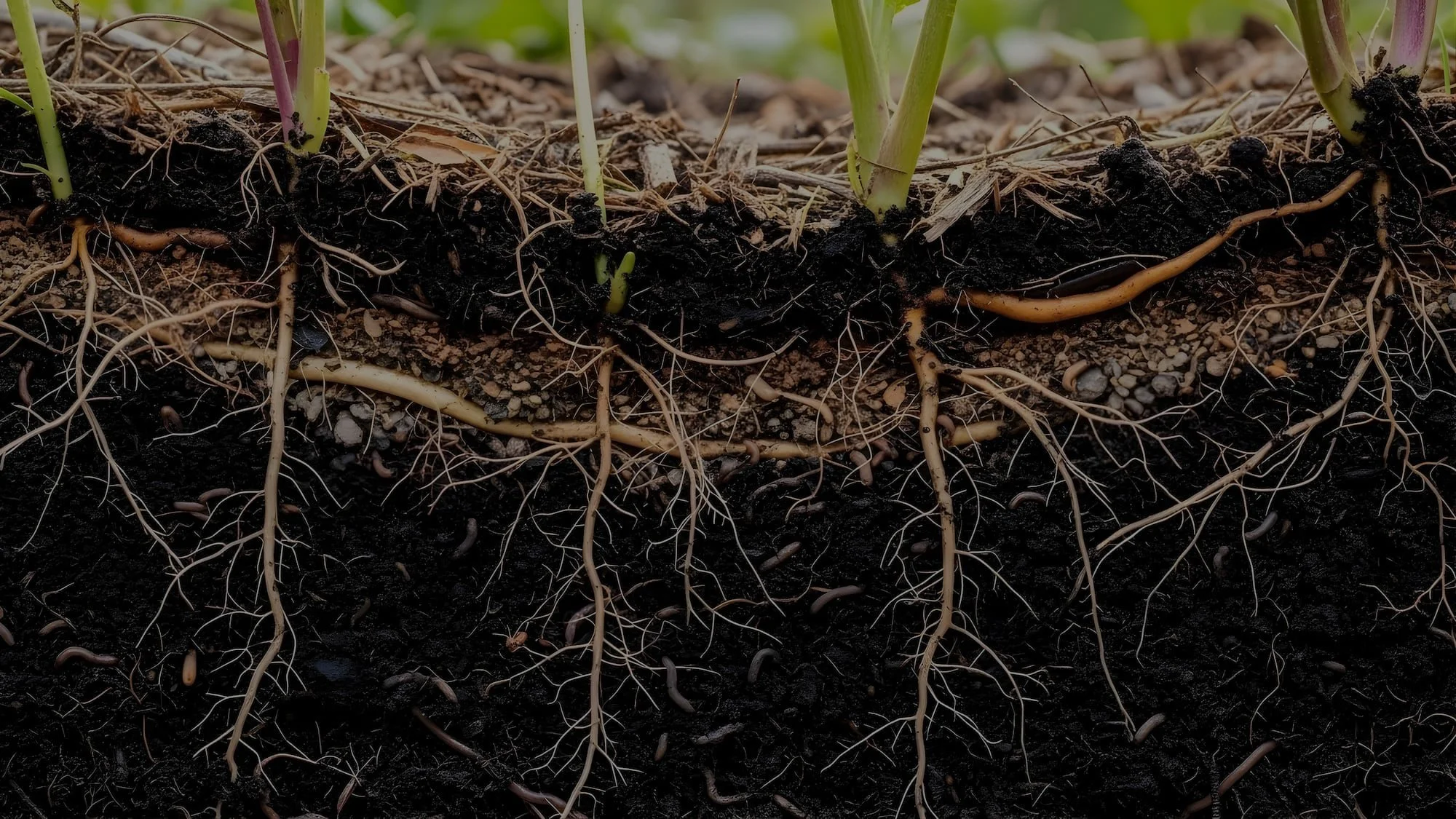


“Going Underground”

Want to learn more about why regenerative agriculture matters? Read “Going Underground,” an article by SCA’s Ellen Gordon, published in the Spring 2024 issue of PLENTY Magazine. Gordon spearheads SCA’s regenerative agriculture program and offers a closer look at the principles behind this work—and what they could mean for the future of farming.

 
AdobeStock_1950438970sm.jpg
 

What we’re doing at Linden Farm

Much of Linden Farm was historically used for dairy farming and, later, for row crops including corn, wheat, and soybeans. Years of conventional farming left portions of the soil compacted and depleted.

Today, approximately 90 acres are being managed through regenerative grazing practices. Diverse cover crops have been planted to help rebuild soil, and cattle and sheep are introduced through rotational grazing.

Using temporary fencing, livestock are moved from one section of pasture to another, allowing grazed areas time to rest and recover. As the animals graze, their movement and natural fertilization help return nutrients and organic matter to the soil.

Linden Farm also participates in Maryland’s Million Acre Challenge, which tracks improvements in soil health over time. Annual testing is helping SCA measure the progress taking place beneath the surface.


Looking ahead

Regenerative grazing is only the beginning.

SCA plans to expand regenerative practices at Linden Farm to include vegetable crops, fruit and nut trees, and other forms of food production, working with farmers and expert advisors experienced in regenerative agriculture.

Our goal is for Linden Farm to become a place for learning as well as farming—a place where new approaches can be tested, shared, and better understood.

Through this work, SCA hopes to demonstrate how agriculture can feed people, heal the soil, support ecosystems, and strengthen the future of farming in the Agricultural Reserve.


“The soil is the great connector of lives, the source and destination of all.”

— Wendell Berry, The Unsettling of America


steven-weeks-DUPFowqI6oI-unsplash_smdk.jpg
 

Questions About Regenerative Agriculture?

Use the form below to share your questions, interests, or experience with regenerative agriculture. Your responses will help SCA better understand what people would like to learn more about and how we can shape future information, programs, and opportunities at Linden Farm.

Be sure to check the small box labeled “Sign up for news and updates” if you wish to receive emails about regenerative agriculture, upcoming programs, and other SCA news.