
Incinerator + Waste Management
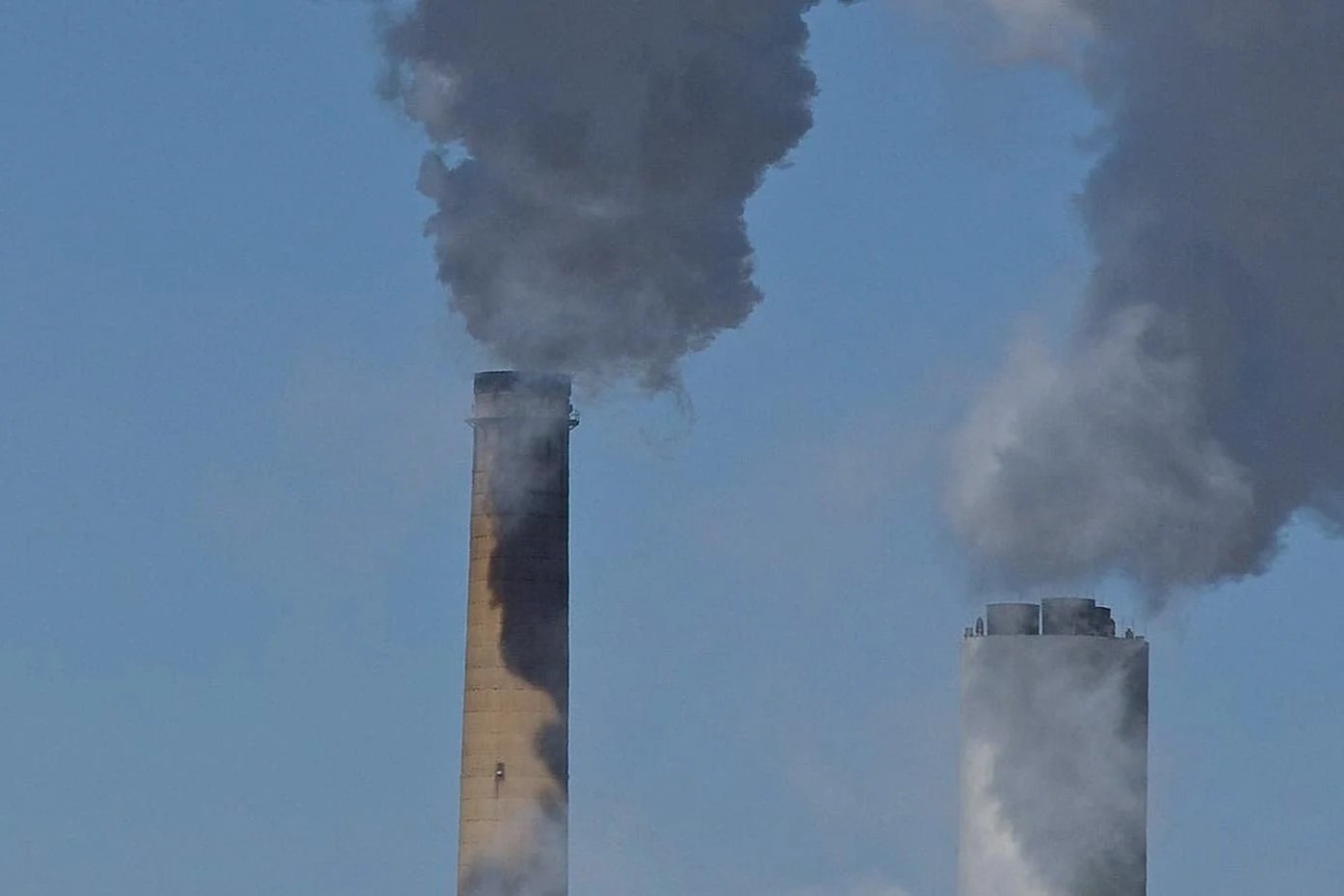
Immediate Closure of Montgomery County’s Aging Trash Incinerator Demanded Following Disclosure of Additional Dioxin Leak
FOR IMMEDIATE RELEASE
February 26, 2026
Media Contact:
Lauren Greenberger
Vice President, Sugarloaf Citizens Association
lgreenberger@hotmail.com
Immediate Closure of Montgomery County’s Aging Trash Incinerator Demanded Following Disclosure of Additional Dioxin Leak
DICKERSON, Md.— Following our February 20, 2026, press release on the topic, Sugarloaf Citizens Association received notification that a second and more hazardous dioxin and furan discharge occurred at the Montgomery County waste incinerator in Dickerson, MD.
The Montgomery County Department of Environmental Protection has released two statements about this leak: Feb 20, 2026 and Dec 17, 2025. The most recent test results show Unit 3 total dioxins and furans discharged averaged 54.8 ng/dscm at 7% oxygen, exceeding the limit of 30 ng/dscm at 7% oxygen.
This discharge is nearly double the allowable limit and 30 times greater than the average annual stack test results (2.6ng/dscm) for the past 3 years, according to data reported on the County website. There are no established safe limits for dioxin emissions. We are not aware of any similar testing done yet on the third operating boiler, Unit 1.
The incinerator, operated by Reworld, is currently the endpoint for all the county’s non-recyclable solid waste.
Given this updated and highly concerning test result, Sugarloaf Citizen Association urgently calls on Montgomery County leadership to act:
We ask the County Executive and his Department of Environmental Protection for immediate closure of the waste incinerator as a response to this emergency and temporarily haul the county’s trash by truck to an interim landfill site.
We ask Montgomery County Council members to approve the County Executive’s FY27 budget that will include permanently shuttering the incinerator, ending toxic ash dumping on a community in Virginia, hauling what we can't recycle to a well-vetted landfill, and initiating robust food-scrap composting, and other well-studied waste reduction strategies.
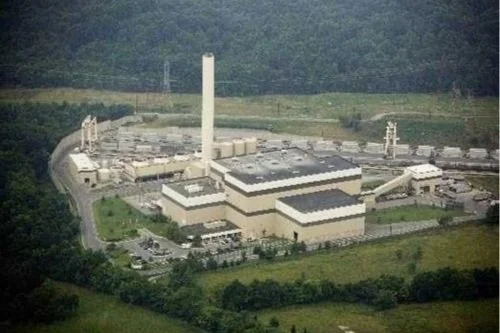
Dioxin Leak at Dickerson Incinerator Prompts Call for Closure
FOR IMMEDIATE RELEASE
February 20, 2026
Media Contact:
Lauren Greenberger
Vice President, Sugarloaf Citizens Association
lgreenberger@hotmail.com
Dioxin Leak Adds Urgency to Shuttering Montgomery County’s Aging Trash Incinerator
DICKERSON, Md. — Alarmed by reports of a recent massive dioxin leak at the aging Montgomery County trash incinerator in Dickerson, MD, Sugarloaf Citizens Association (SCA) urges the Montgomery County Council to move forward expeditiously with plans to end trash burning and haul the county’s waste to vetted landfills outside the County.
The incinerator, operated by Reworld, is currently the endpoint for all the county’s non-recyclable solid waste.
In November 2025, a report by the county’s Department of Environmental Protection (DEP) revealed that the incinerator was emitting nearly double the permitted limit—and 21 times more dioxin and furans than the last test in 2024. There is no safe emissions limit established for these toxic chemicals.
The dioxin leak from the 30-year-old incinerator comes amid longstanding concerns about health hazards to the community and local agriculture associated with trash incineration, which also produces other toxic chemical emissions such as mercury, sulfur dioxide, arsenic, beryllium, lead, nitrogen oxides and fine particulate matter into the region’s air.
“Further delay by DEP or the County Council is unacceptable,” says Lauren Greenberger, SCA vice president. “We have advocated for an alternative to incineration for more than a decade, given the incinerator’s profile as the worst single source of air pollution and greenhouse gases in Montgomery County. This recent leak is yet more evidence that this aging facility is a continuing dire public health threat.”
Reworld estimated in 2025 that it would cost from $50 million to $100 million to keep the facility operating safely and efficiently for another 7 to 10 years. More recently, DEP cited potential costs as high as $365 million in that timeframe. Most trash incinerators are decommissioned after approximately 22 to 27 years of use.
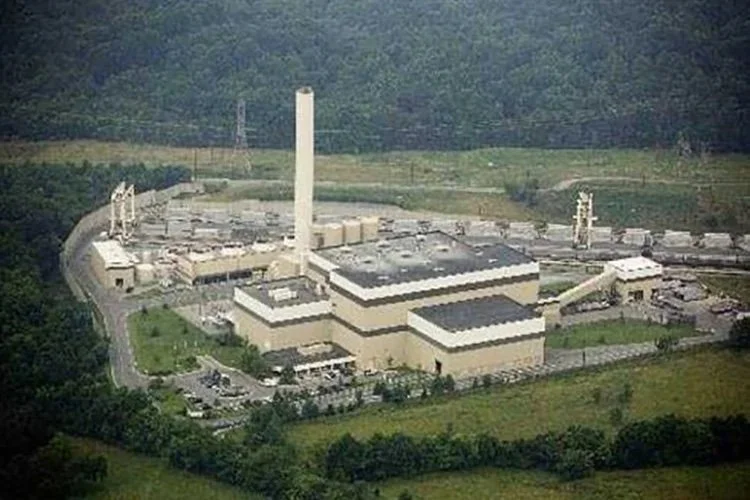
Read Article: Maryland county may spend $57 million on incinerator it wants to close
Updated June 4, 2025
In case you missed it, an article published in The Washington Post on Monday June 2 covers machinations around the Dickerson incinerator. SCA is quoted. Read the full article: Maryland county may spend $57 million on incinerator it wants to close. For those who may not have access to The Washington Post, click here to read a PDF of the full article.
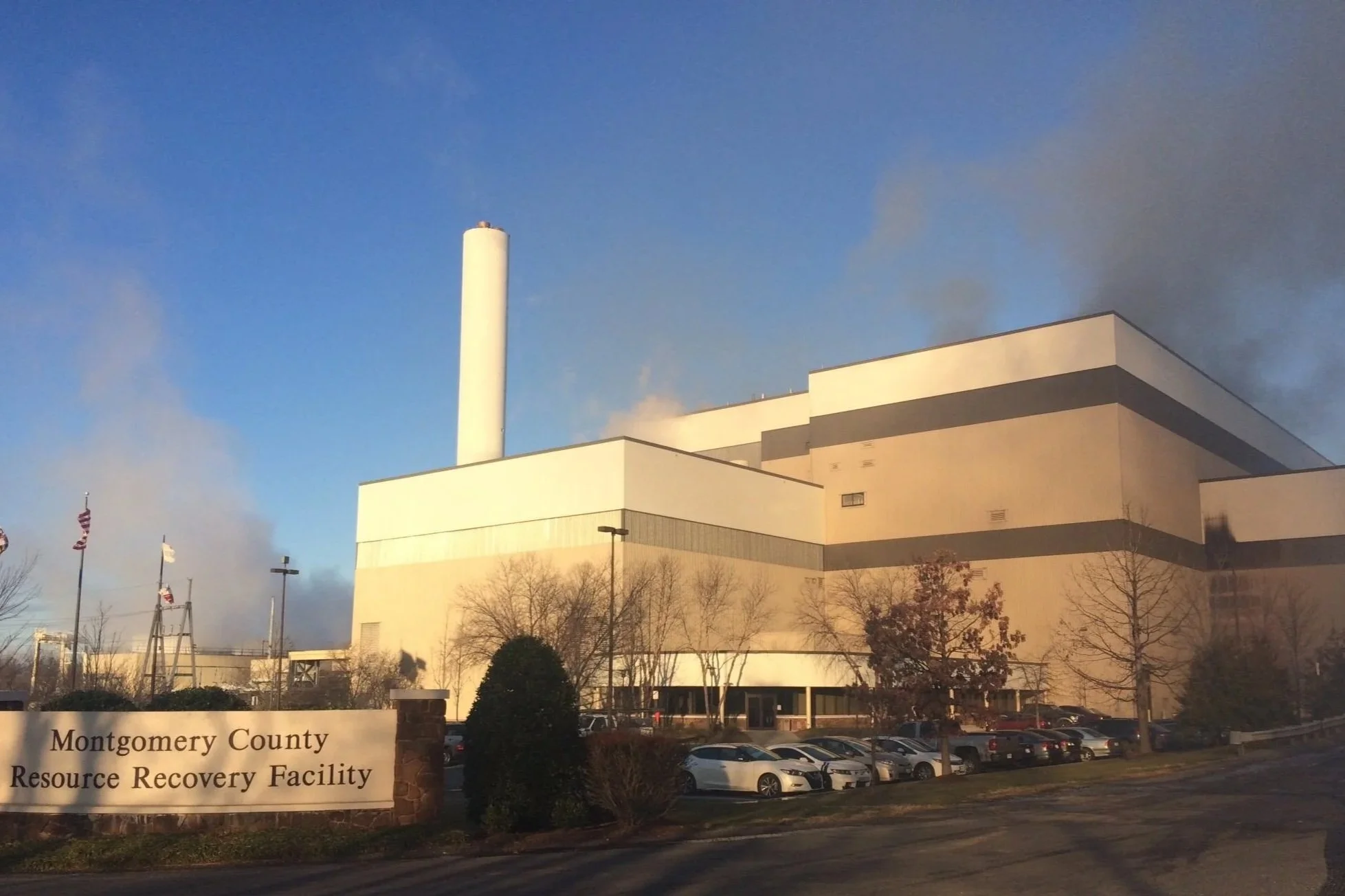
Trash Burning No Longer Considered “Renewable Energy” in Maryland
April 10, 2025
Maryland lawmakers enacted legislation on April 7 ending Maryland’s classification of trash incineration as “renewable energy.”
It’s been considered that since 2011, as part of the state’s “renewable portfolio standard” program. As such, the energy generated in “waste-to-energy” (or “refuse-derived fuel) facilities, such as the one in Dickerson, was treated the same as energy produced by solar and wind facilities. That included subsidies to help promote renewable energy sources.
Thus, incinerators effectively took money out of the pockets of solar, wind and other clean energy companies—even as incinerators polluted the air and generated greenhouse gases. Since 2011, Maryland consumers have supported the Dickerson incinerator to the tune of around $30 million.
The new law is a huge win for environmental, civic and energy justice groups—includingSCA—which have been pushing this outcome for years.
Maryland is now the second state, after California, to delete trash incineration from its renewable energy portfolio.
“It’s about time,” said Lauren Greenberger, SCA’s vice president and main advocate on the issue. “It’s been such a ‘waste’ of money—pun intended—and has helped prop up the remaining incinerators in the state, which are too old, inefficient, and produce dirty energy.”
Added Jennifer Kunze, Maryland Program Director with Clean Water Action: “This action will help support the development of zero waste infrastructure by making it easier for composting, reuse and recycling, and other healthier solid waste management practices to compete without fighting uphill against state subsidies supporting the worst solid waste management option.”

Our Position on the County’s “Zero Waste” Plans
Updated February 7, 2025
On Jan. 28, SCA shared its perspective on the County’s waste management plans at a briefing before the County Council. At the invitation from the Council’s new president, Kate Stewart, we shared the floor with the County’s Department of Environmental Protection (DEP).
It was a welcome opportunity to again state our opposition to the County Executive’s and DEP’s plan, announced on Nov. 25, 2024, to continue burning trash at the County’s incinerator in Dickerson for up to eight more years—rather than shutting the incinerator down in April 2026 as has been pledged for some years.
At the same time, we restated our strong support for DEP’s overall initiative to remake its waste management systems over the next decade. That initiative includes enhanced recycling, an effort to compost all the county’s food scraps (commercial and home), a simultaneous roll out of unit pricing for residential trash (pay only for what you throw away), and new processes and technologies to reduce the amount of garbage currently being burned in the trash incinerator in Dickerson.
On Nov. 25, County officials said they have authorized the Northeast Maryland Waste Disposal Authority (an entity that manages the County’s waste disposal) to extend for 5 years (from April 2026 to April 2031, and on an “emergency” basis) its contract with the private company Reworld (formerly known as Covanta), which operates the incinerator.
The announcement states that the County has the “option for early termination” of the contract. A planning timeline on the county website indicates, however, that decommissioning would not begin until 2030 with full closure not until 2031 or even 2032. DEP officials on Jan 28 affirmed that timeline to the Council. (SCA has not been granted access to the terms of the contract or the clause/section that would allow early termination.)
County officials say the main reason for extending the contract is that trash incineration cannot be terminated until (a) waste reduction strategies, (b) technological enhancements and (c) alternatives means of trash disposal, such as landfilling are substantially built-out and fully implemented. DEP claims that would take a minimum 5 years and more likely 6 to 7 years.
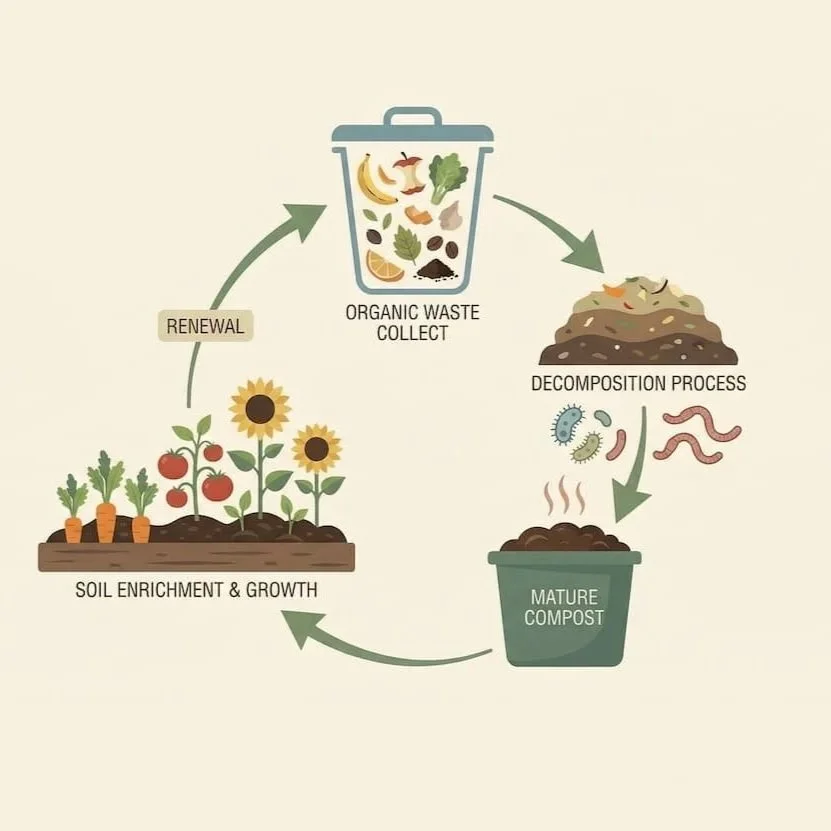
County Enhances Food Compost Effort
November 15, 2024
This month, Montgomery County launched the latest phase of its initiative to reduce food waste by encouraging businesses and residents to compost instead of discarding food scraps in the trash. (See a short video later in this article.)
Food scraps account for about one-quarter of the county's total trash volume. In 2023, the county estimates that approximately 90,000 tons of food waste ended up in the trash, most of which was incinerated at the county's facility in Dickerson.
Composting food scraps is an environmentally beneficial practice (and thus, a no-brainer), but it requires significant changes in behavior for households and businesses, as well as adaptations to the county’s waste management systems. The county has been running a pilot composting program for several years and now plans to increase participation and enhance its infrastructure.
Part of this effort includes allowing residents to “recycle” food scraps at the curbside, just as they do with glass, plastic, paper, and cardboard. The collected scraps would be transported to a central location, likely the Dickerson yard trim compost facility.
Click “Read More” to go to the full article and watch a short YouTube video of the County’s recent ceremony on the composting initiative.
County Deliberates on Trash Overhaul Plans in Advance of Fall Meetings
Updated September 3, 2026
The Montgomery County Council on July 28 held a two-hour meeting on plans to overhaul the way the County disposes of its trash.
The session was the first in a series that could result in a decision in October or November on whether to close the County’s aging trash incinerator in 2027 and pivot to trucking the County’s non-recyclable trash to landfills—as the vast majority of cities and counties in the U.S. do.
The County Executive, Marc Elrich, proposed such a plan earlier this year—after two years of study and analysis by the County’s Department of Environmental Protection (DEP). But Council President Natali Fani-Gonzalez put that plan on hold; she alleged that it was incomplete and raised too many questions that had not yet been answered. She called for more “independent” information and posed dozens of questions to DEP.
On August 19, Elrich sent the Council President and all Council members a detailed response to their questions, formulated by the County’s Department of Environmental Protection (DEP) and Executive Branch. Here’s a link to that document. Warning: it’s a 140-page PDF. However, the heart of the document is in the first 40 pages. Beyond that are support documents and appendices.
For anyone following this issue closely, the document is critical. It will likely form the basis for the Council’s discussions this fall.
SCA strongly supports the main thrust of DEP’s and Mr. Elrich’s plans to make the transition to truck hauling, landfill, and shuttering the Dickerson incinerator. Moreover, we believe DEP has addressed most of the key issues in play in the document we link to above.
At the same time, we appreciate that the Council’s dialogue on this complex issue—with a once-in-a-generation decision to be made—has surfaced issues that Council members need to understand more fully.
Two big problems have occurred as this debate has played out over the past year:
A series of studies commissioned by or done by DEP have presented some conflicting information on the pros and cons of burning vs burying trash, and
Ms. Fani-Gonzalez (intentionally or unintentionally) undercut faith in DEP as a reliable source of information on the proposed waste management transition.
Earlier this year, she asked Council staff to take a fresh look at the research and the DEP plan.
On July 28, staff presented their perspective. A written version of that was made available prior to the session. SCA combed through the document and wrote a four-page memo responding to its content. Click below to read the memo.
SCA MEMO TO COUNCIL
The Council’s next meetings on this issue will be in September. And Council President Fani-Gonzalez has now committed to multiple sessions. However, it is still not clear that the Council can and will actually reach a decision in late October and or early November. Some Council members have said they are committed to that goal so that the current Council will be the one making the decision and not the next Council, which takes office on Dec 7 (along with a new County Executive) after this year’s elections.
Other Council members have not as yet committed to making the waste overhaul decision by November.
Our concern is this: If the decision is not forthcoming and steps put in motion, DEP will be compelled to seek new Requests for Proposals (RFPs) from trash vendors and renegotiate contracts. That would almost certainly cost more money and cause delays that could go well into 2027, stalling efforts once again to get this major county responsibility resolved. (Also, the County must give Reworld, the private company that operates the incinerator, six-month’s notice that the facility is to be shut down.)