


Preserve the Harvest: A Night to Remember

Thanks for Joining Us at the MoCo Executive Forums!

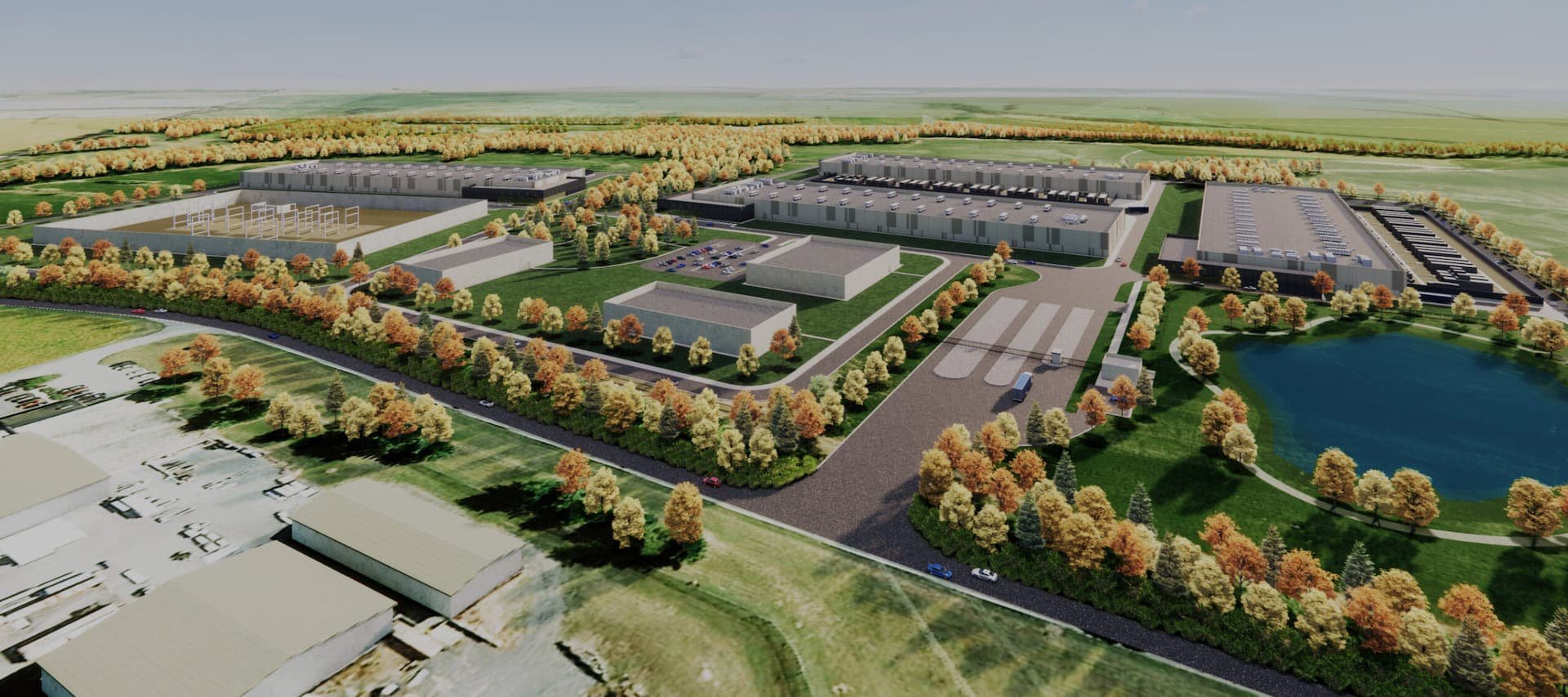
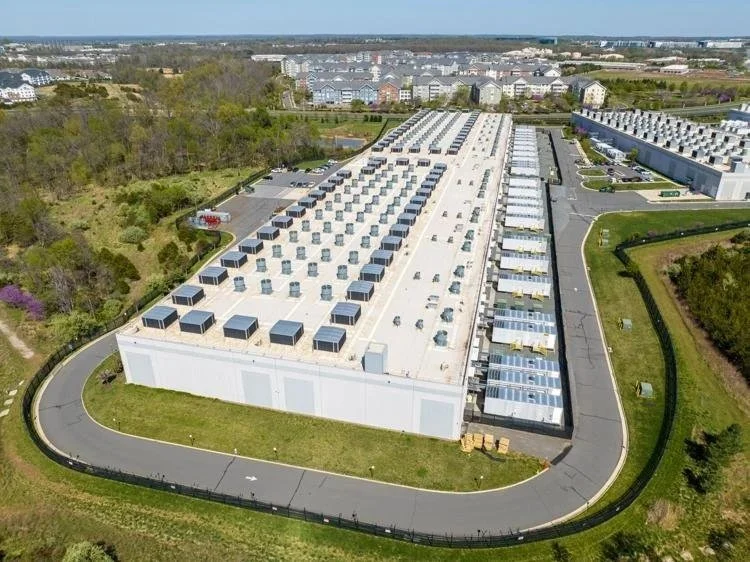
Large-Scale Data Center Development Targets Dickerson
Our Position on Agritourism

The Royce Hanson Conservation Park is Now Open

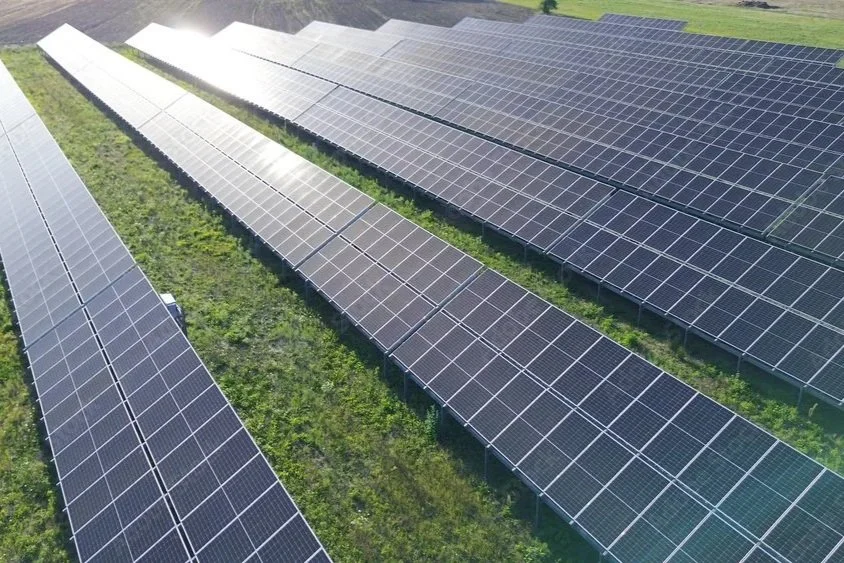
Our Position on Maryland’s New Solar Law

In the Spotlight
Stay informed on the latest news and issues we’re working on—click any thumbnail to learn more. Scroll down to join our email list and receive updates as they happen.


SCA works to protect and preserve the Ag Reserve

Advocacy
We monitor proposed county and state laws and regulations that may impact the Ag Reserve and its resources. We engage elected officials to support our mission.

Agriculture
We support sustainable farming practices, including expanding table crop farming as a way to enhance the productivity, resilience, and long-term stewardship of the Agricultural Reserve.

Community
We convene county residents to learn about agricultural, environmental, and land-use issues and to stay informed about the decisions shaping our community.
“Congratulations to SCA on 50 years as stewards of the Agricultural Reserve. Your work to preserve and protect this vital green space is a great service to the well-being of all Montgomery County residents.”
— Marilyn Balcombe, County Councilmember, District 2
“SCA has served as an important advocate in preserving the nationally recognized Montgomery County Agricultural Reserve and I congratulate them on their many successes.”
— Senator Brian Feldman, Maryland District 15

Our Headquarters
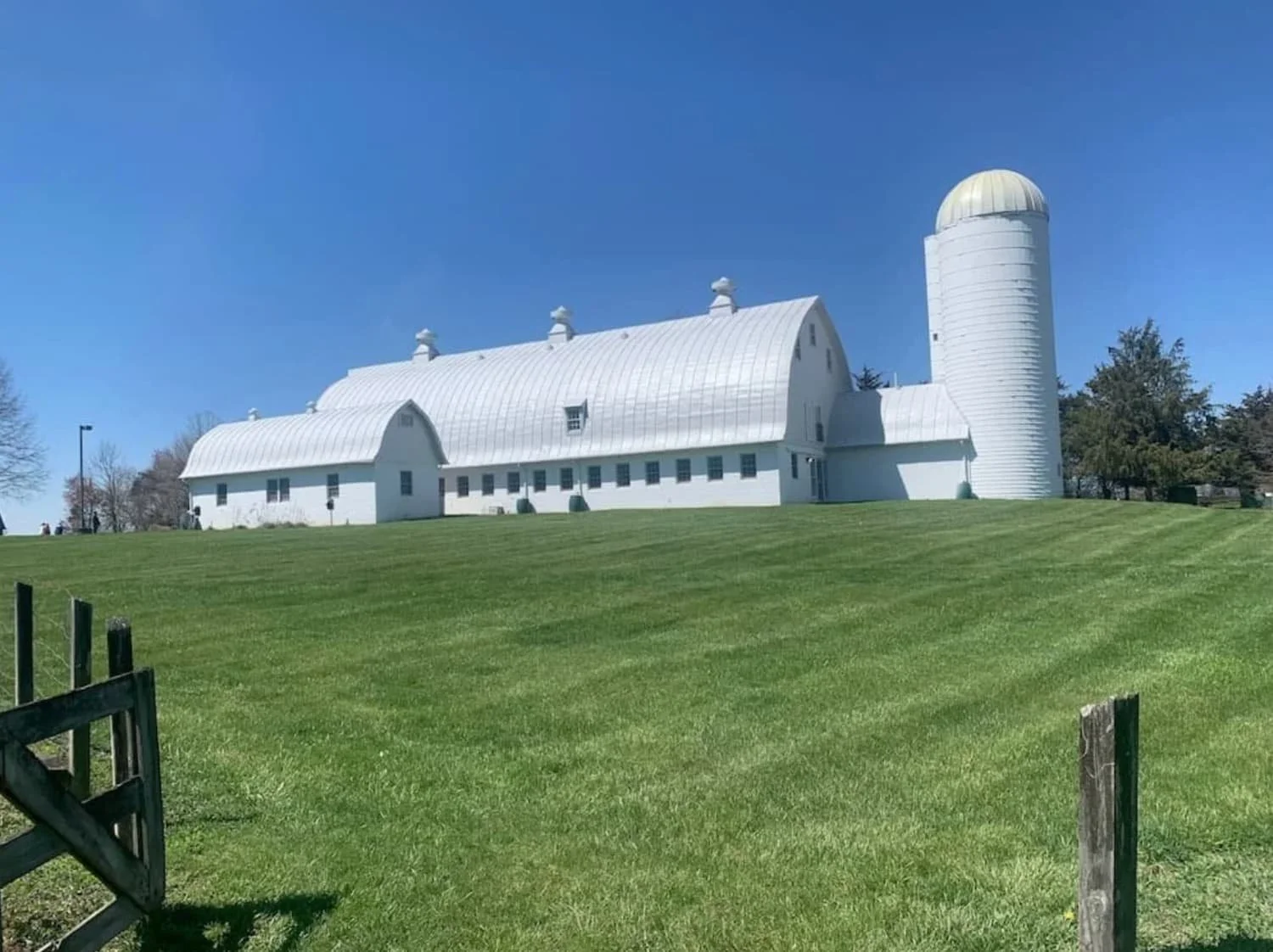
Linden Farm, spanning over 150 acres in Dickerson, Maryland, serves as SCA’s headquarters and regenerative agriculture pilot site in partnership with Montgomery County. The farm includes a beautifully restored Gothic dairy barn, several historic buildings, and approximately 150 acres of woodlands and farm fields along a designated Rustic Road.
A symbol of Montgomery County’s agricultural heritage, Linden Farm reflects the area’s deep farming roots and the critical role of the Ag Reserve, established in 1980 to curb rapid development. Today, the Reserve remains a national model for farmland preservation, food production, and climate resilience. Read more about its history here.
The Gothic Barn and another barn on the property are available for public rental with certain restrictions. The SCA homestead serves as our headquarters, continuing the farm’s legacy of conservation and community engagement. For more information, click here or email us.
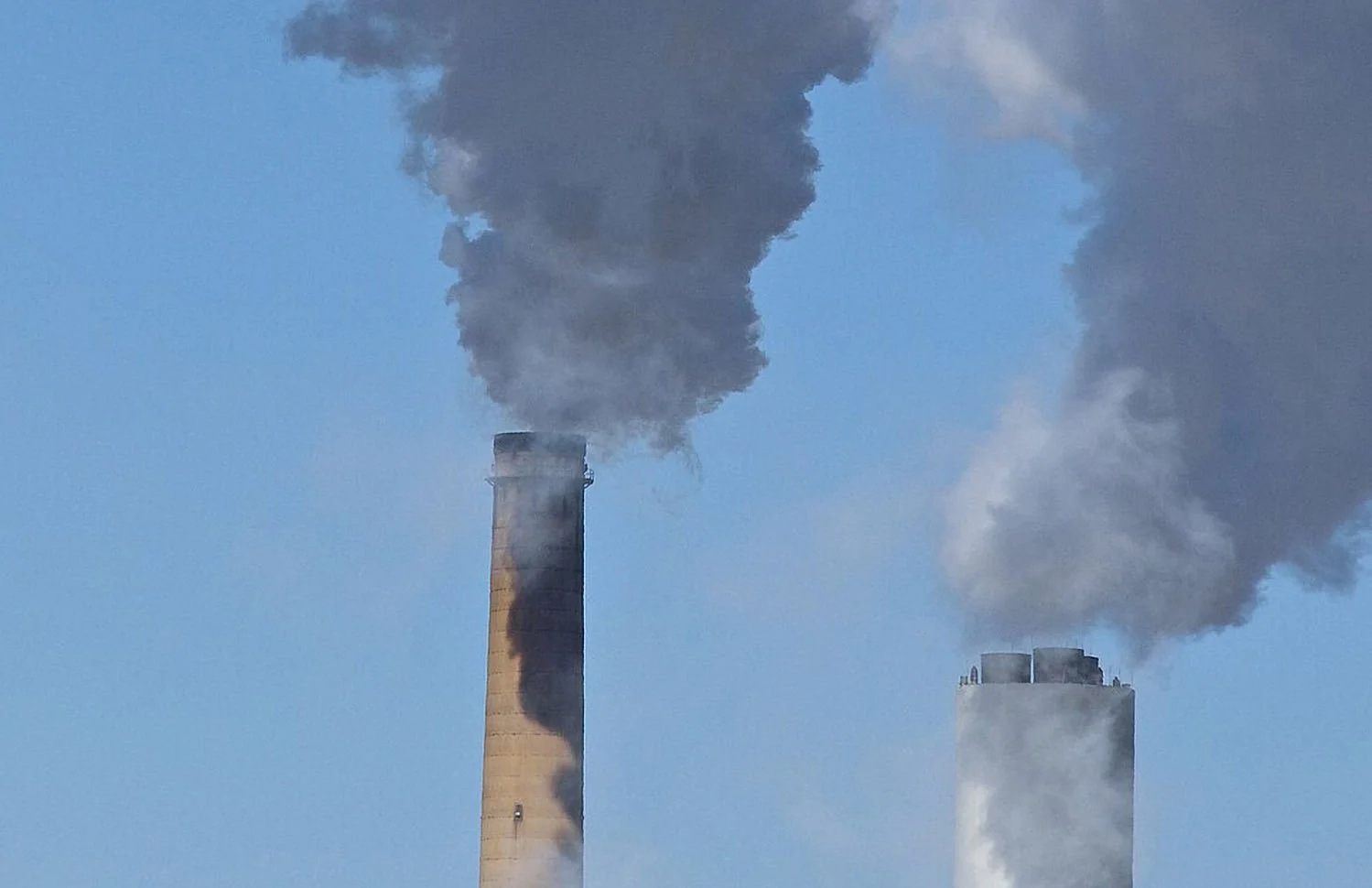
County Deliberates on Trash Overhaul Plans
Your voice matters. County leaders are considering the timeline for closing the Dickerson incinerator. Please urge the Council to keep the closure process moving and end trash burning in Dickerson for good.
CONTACT THE COUNCIL →
(Or, email all council members here:
countycouncil@montgomerycountymd.gov)
________
Updated October 23, 2026
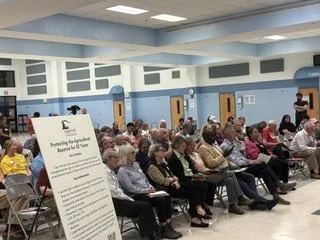
On October 20, Montgomery County residents gathered for a town hall hosted by Councilmember Laurie-Anne Sayles to discuss the future of the County's aging Dickerson trash incinerator. Representatives of the Department of Environmental Protection (DEP) addressed questions about the costs, environmental impacts, and practical challenges of transitioning away from incineration.
The County Council reviewed 4 options currently under consideration. The discussion highlighted the important choices facing the County: continuing to operate and upgrade the incinerator, transitioning to truck hauling and landfill disposal, and introducing advanced waste processing technologies to reduce the amount of trash requiring disposal. Following the discussion, the panel reviewed pre-submitted questions from the community.
As the County Council moves closer to a decision, Sugarloaf Citizens Association (SCA) continues to advocate for closing the incinerator and moving toward safer, more sustainable waste management practices.
Zero Waste Responds to Reworld's Claims
As part of the ongoing Council deliberations, Reworld, the company that operates the Dickerson incinerator, has presented arguments for keeping the facility operating.
Our partner organization, Zero Waste Montgomery County, has prepared a detailed rebuttal addressing claims made by Reworld about Montgomery County's waste disposal options.
The 11-page rebuttal challenges what we believe are significant inaccuracies, misleading comparisons, and omissions in Reworld's presentation.
READ THE FULL REBUTTAL →
Key points from the rebuttal include:
Costs of Continued Incineration: Maintaining and upgrading the aging facility could cost hundreds of millions of dollars. The rebuttal argues that transitioning to landfill disposal would provide greater financial flexibility as waste volumes decline.
Air Pollution and Public Health: The rebuttal raises serious concerns about toxic emissions, including dioxins and heavy metals, and challenges Reworld's claims about the facility's environmental performance and health risks.
Inadequate Emissions Monitoring: Although some pollutants are continuously monitored, many hazardous emissions are tested only annually or not at all, potentially missing significant fluctuations.
Climate Impacts: The rebuttal challenges Reworld's comparisons of incineration and landfilling, citing analyses indicating that incineration produces greater overall greenhouse gas emissions, even when transportation is considered.
Trucking Alternatives: The rebuttal disputes claims about increased traffic and transportation impacts, citing DEP's proposed truck routes and schedules designed to minimize disruption.
Electricity Production: The rebuttal questions Reworld's claims about the amount of electricity the incinerator generates and the number of homes it can power.
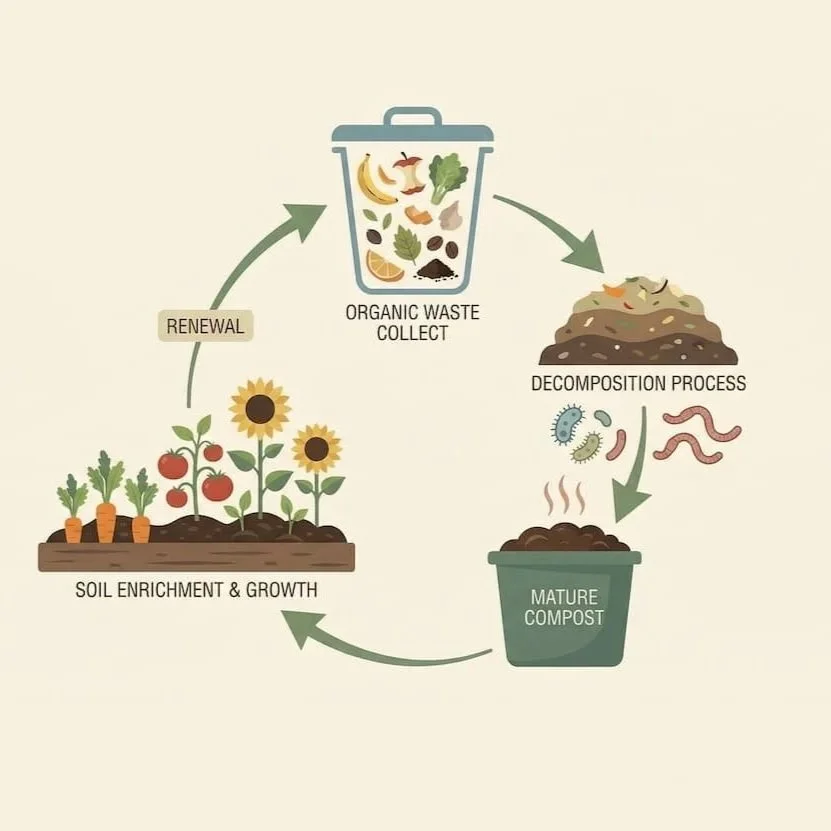
Long-Term Sustainability: Continued incineration could delay investments in composting, recycling, waste reduction, and other alternatives that would move the County closer to its zero-waste goals.
Toxic Ash Disposal: The rebuttal challenges Reworld's characterization of incinerator ash as harmless and raises concerns about its disposal and potential reuse.
The Zero Waste rebuttal provides a closer examination of these issues and the long-term consequences of continuing to operate the Dickerson incinerator.
What Happens Next? Your Voice Matters
The County Council’s next worksession is October 27, followed by a November 10 vote on whether to continue incinerating trash or send residual waste to landfills.
SCA continues to urge the Council to move forward with transitioning to truck hauling and environmentally vetted landfills, close the Dickerson incinerator, and invest in composting, waste reduction and advanced waste processing strategies.
The decisions made in the coming weeks will shape Montgomery County's waste management system for decades. Review our rebuttal, stay informed and reach out to all of the County Councilmembers and let them know you want to stop burning our trash and start composting now.
Email all council members here → countycouncil@montgomerycountymd.gov