Our Position on Agritourism
November 17, 2025
The following statement was issued the week of November 10, 2025 by four organizations who are involved in protecting and preserving the Ag Reserve, including SCA. Please feel free to distribute it. And please consider commenting on it in the section below.
Centering Agriculture in Agritourism: A Joint Position Statement on Agritourism
11/3/2025
Montgomery County Farm Bureau, Montgomery Agricultural Producers
Montgomery Countryside Alliance and Sugarloaf Citizens Association
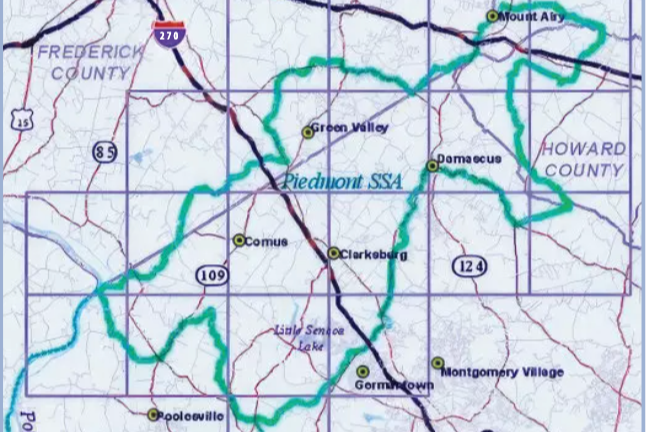
In 1980, Montgomery County enacted a visionary solution to stem the loss of farms and farmland. It created the Agricultural Reserve, which has been lauded as the nation’s most innovative and successful farmland protection effort. Montgomery County has reaped the benefits of this initiative every day. The Ag Reserve has preserved farms and farming opportunities; it enables local food and grain production; it protects water and air quality for the region; and it provides an array of outdoor recreational opportunities for the entire County. The farms of the Ag Reserve contribute $281 million annually and support over 10,000 jobs in the County.
Maryland lost an average of 2,400 acres of farmland each year between 2017 and 2022. Montgomery County’s land use policies have helped stem the loss of producing farms here, but maintaining thriving farms requires care.
The Ag Reserve remains one of the County’s best ideas – an achievement many other jurisdictions envy. The fundamental purpose of the Reserve—to protect thriving farms—will be strengthened through enhanced connections between producing farms and residents in the County’s urban and suburban areas.
Agricultural tourism is thriving in the Ag Reserve. Many farmers are enhancing revenue by building new markets for their farm products. For decades, thousands of visitors have flocked to Ag Reserve farms to shop at farm stores, for “pick your own” produce, harvest festivals, wineries, breweries, cideries, corn mazes, educational farm tours, animal visits, farm-to-table dinners, and equestrian events. Agritourism connects consumers with local farms not only for purchasing local products but also to build greater understanding about how food is produced and why it is important to support a strong local food system.
A Fragile Balance
Why then is the subject of agritourism becoming somewhat controversial? It’s simple: Some landowners (or land speculators) seek to profit from land planned and zoned as protected farmland by introducing commercial activities that are not associated with farming. Land in the Reserve has been zoned to ensure that it will remain reasonably affordable for farmers to lease or purchase. Business investors who are not farmers, if allowed to divert land from the primary use of farming, will attract other land investors with non-farming ideas. Providing for non-agricultural commercial uses of the Reserve is already driving up the cost of land for bona fide farmers, including, importantly, next 2 generation producers. Promoting competition for land from distinctly non-agricultural commercial uses does not support the Ag Reserve and the local agricultural economy. Rather, it undermines it.
Read More