Posts in Spotlight
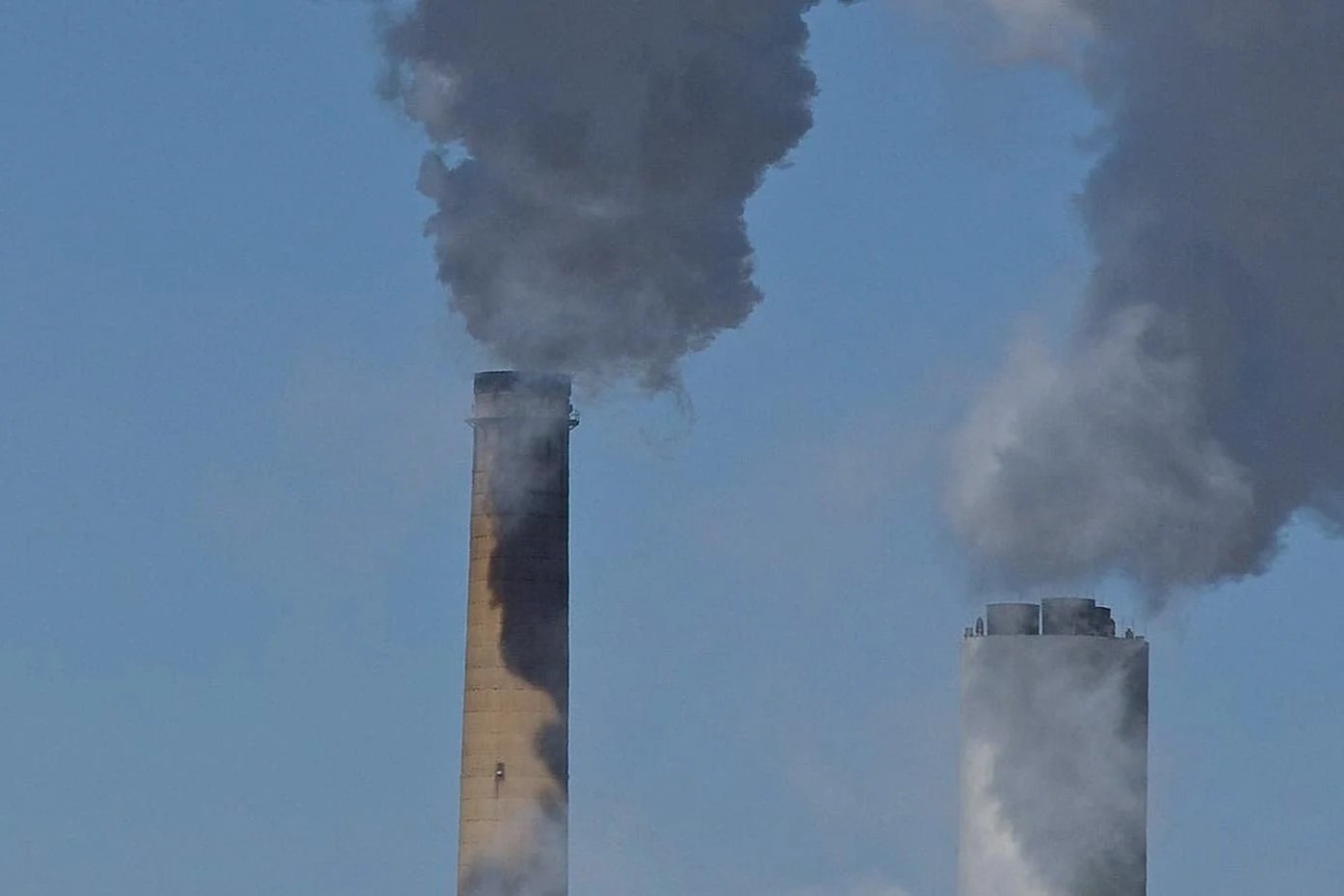
Immediate Closure of Montgomery County’s Aging Trash Incinerator Demanded Following Disclosure of Additional Dioxin Leak

FOR IMMEDIATE RELEASE
February 26, 2026

Printable/PDF Version

Media Contact:
Lauren Greenberger
Vice President, Sugarloaf Citizens Association
lgreenberger@hotmail.com

Immediate Closure of Montgomery County’s Aging Trash Incinerator Demanded Following Disclosure of Additional Dioxin Leak

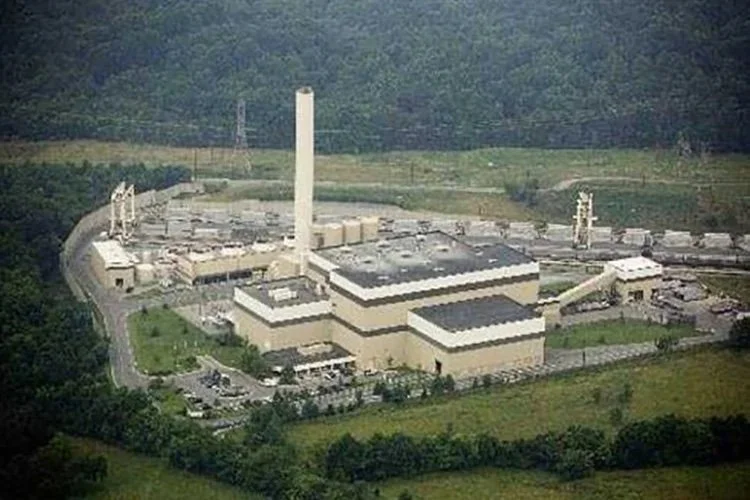
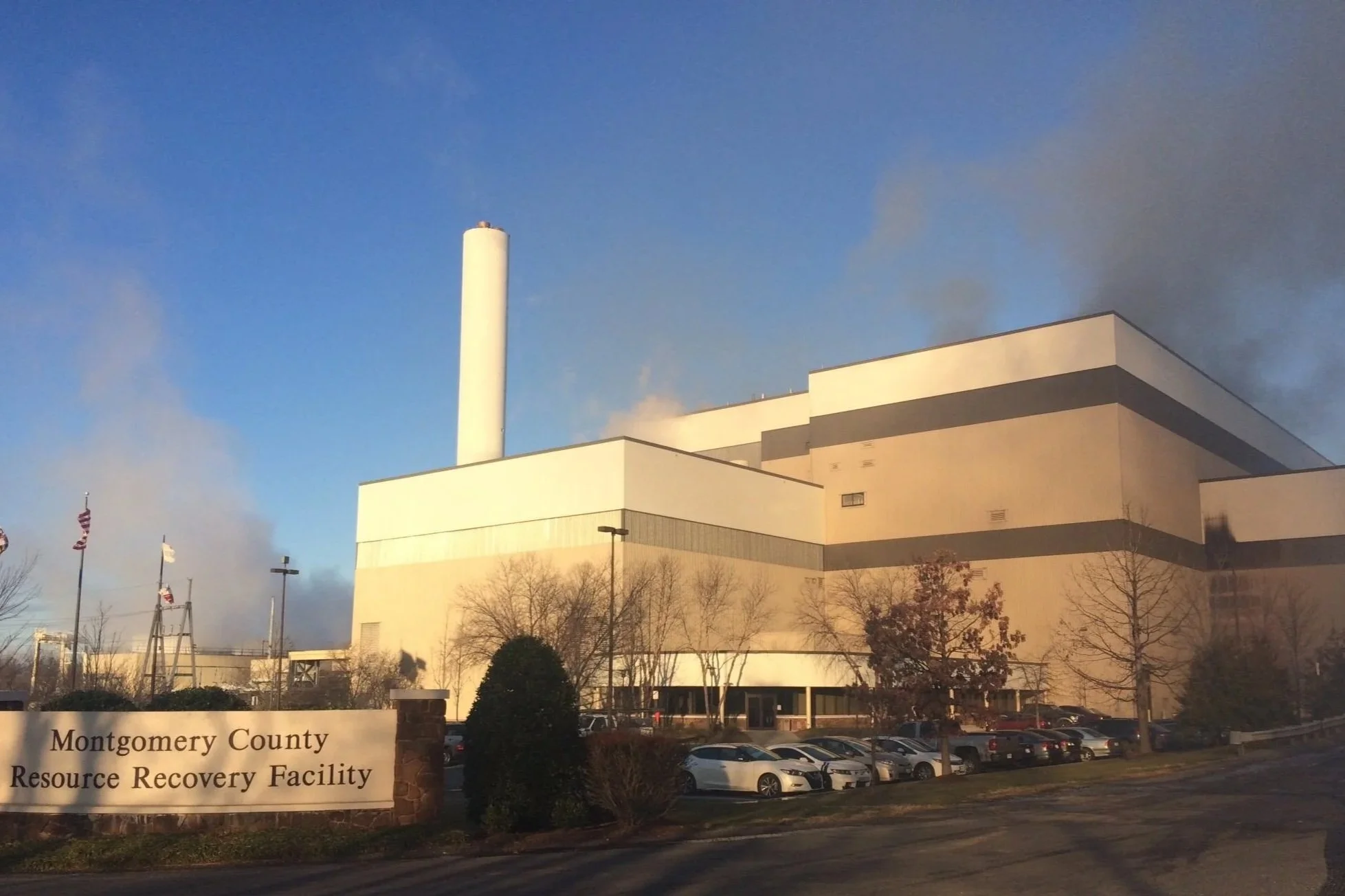
DICKERSON, Md.Following our February 20, 2026, press release on the topic, Sugarloaf Citizens Association received notification that a second and more hazardous dioxin and furan discharge occurred at the Montgomery County waste incinerator in Dickerson, MD.

The Montgomery County Department of Environmental Protection has released two statements about this leak: Feb 20, 2026 and Dec 17, 2025. The most recent test results show Unit 3 total dioxins and furans discharged averaged 54.8 ng/dscm at 7% oxygen, exceeding the limit of 30 ng/dscm at 7% oxygen.

This discharge is nearly double the allowable limit and 30 times greater than the average annual stack test results (2.6ng/dscm) for the past 3 years, according to data reported on the County website. There are no established safe limits for dioxin emissions. We are not aware of any similar testing done yet on the third operating boiler, Unit 1.

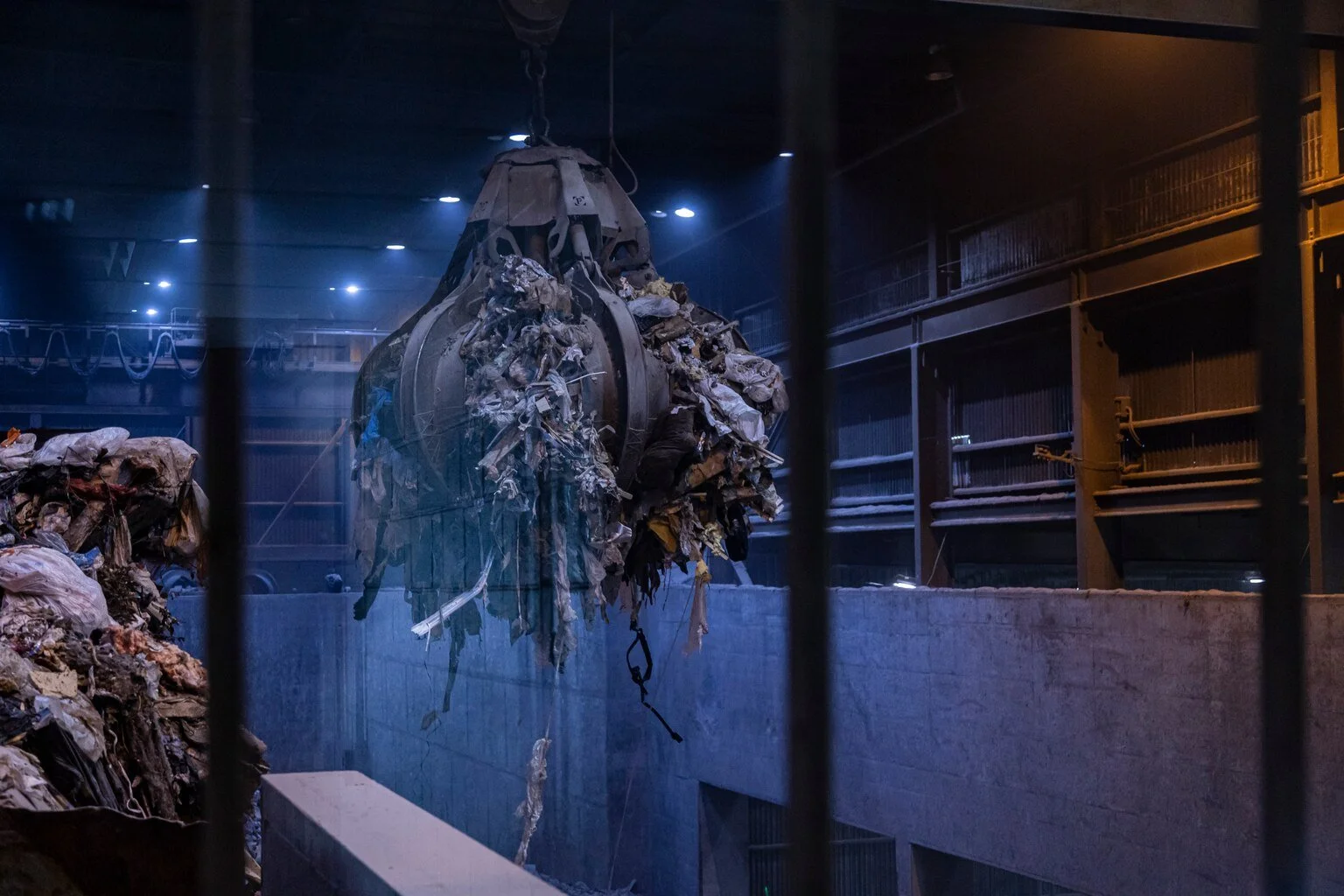
The incinerator, operated by Reworld, is currently the endpoint for all the county’s non-recyclable solid waste.

Given this updated and highly concerning test result, Sugarloaf Citizen Association urgently calls on Montgomery County leadership to act:

  1. We ask the County Executive and his Department of Environmental Protection for immediate closure of the waste incinerator as a response to this emergency and temporarily haul the county’s trash by truck to an interim landfill site.

  2. We ask Montgomery County Council members to approve the County Executive’s FY27 budget that will include permanently shuttering the incinerator, ending toxic ash dumping on a community in Virginia, hauling what we can't recycle to a well-vetted landfill, and initiating robust food-scrap composting, and other well-studied waste reduction strategies.

This additional leak from the 30-year-old incinerator comes amid longstanding concerns about health hazards to the community and local agriculture associated with trash incineration, which also produces other toxic chemical emissions such as mercury, sulfur dioxide, arsenic, beryllium, lead, nitrogen oxides and fine particulate matter into the region’s air.

“It’s beyond time to shut down the incinerator. “The County estimates that it will cost upwards of $365 million just to keep this aging facility functioning at permitted levels, otherwise, future leaks are inevitable.” says Lauren Greenberger, SCA vice president.


For more information on Montgomery County’s solid waste management transition from incineration to landfill, see:

About Sugarloaf Citizens Association: SCA is a nonprofit organization of volunteers founded in 1973. Our primary mission is to preserve and protect the Agricultural Reserve — the 93,000 acres of northern Montgomery County zoned in the 1980s for farming, land conservation, and open space.

We also advocate for sound environmental stewardship and climate change policies in the Ag Reserve and for the county as a whole — for the benefit of all residents.

# # #

Read More
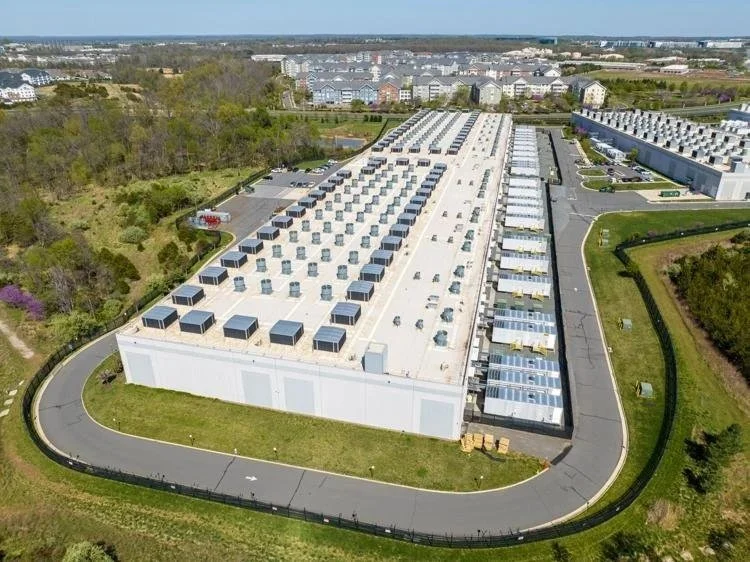
Data Center Complex Proposed for Dickerson

Updated February 20, 2026

Take Action Now:


A Major Proposal. Significant Impacts. Time for Careful Review.

SCA supports a moratorium on the assessment and approval of data centers in Montgomery County until the County Council approves regulations that govern where and how data centers can be built, and how they operate. Our rationale for this position is explained at the end of this web post, which otherwise gives you background on the data center debate and a history of the Dickerson project to date. This is now a fast-evolving story. We’ll update you regularly. Please comment and get engaged. See here for information on, and to sign up to testify at, a February 24 public hearing on data centers. Our community’s involvement in this important development will make a difference.

Explosive growth

Where data centers get built and how they operate has become a major technology, social, and economic issue in the past few years—nationwide. Driving the heightened concern is that the data center industry is exploding.

A few facts to start: The U.S. has more data centers than any other country—some 5,400 (of all sizes) as of the end of 2025. Another 3,000 are under construction or planned—most in the planning stage. Of those, more and more every year are large-scale (called “hyperscale” in the industry) with multiple buildings on large tracks of land (sometimes farm land).

Data centers of all sizes now consume around 4.4% of all power in the U.S. That’s forecast to rise to 8% by 2030.

A report released in January 2026 (by the North American Electrical Reliability Corporation, a non-profit) cited the mid-Atlantic as one of four U.S areas most vulnerable to electrical power shortfalls (and blackouts) over the next five years—largely due to data centers.

Unexpected strains on local economies are beginning to show as well. The data center explosion is beginning to monopolize the construction industry and its workers—carpenters, electrical workers, certain engineers. In some states, that’s leaving fewer such skilled workers to build homes amid a nationwide shortage of affordable housing.

Water usage is a major concern. One study estimated that data centers consumed some 17 billion gallons of water in 2023 for cooling—some of that in states like Arizona where long-term water supply problems are growing.

And lest there be any doubt, most studies now show that data centers have contributed to recently rising rates for home electricity—though the magnitude of the impact differs from region to region.

The above issues need urgent social and political attention. But so do the causes. There’d be no explosive data center growth without the equally explosive growth by government, industry and consumers of data use—cell phones, tablets, computers, the internet, email, texts, streaming, cloud storage, and, of course, now AI.

Here’s one eye-popping forecast: total data generated worldwide is projected to grow from 182 zettabytes in 2025 to 394 zettabytes in 2028—within just 3 years! A zettabyte is 1 trillion gigabytes. One zettabyte is roughly equal to as much bits and bytes of data as there are grains of sand on all the world’s beaches.

At the highest level of concern is this question: will the economic and social transformation predicted from AI be worth the risks it poses—that no one yet fully comprehends. As many have noted, this is a classic case of building the airplane as we fly it.

Our region

A big chunk of the national data center explosion is right in our neck of the woods. Northern Virginia is home to the highest concentration of data centers in the country (665) and is one of the busiest data hubs in the world.‍ ‍

It was thus perhaps only a matter of time before the industry cast its eye across the Potomac River. That began in earnest in 2021 with a proposal for a 2,100-acre data center campus near Adamstown in Frederick County. The proposal included 43 miles of underground fiber optic cables beneath the Potomac River linking the proposed campus to the Loudoun County hub.

So, in large part, the Adamstown location is an expansion of Loudoun County’s infrastructure—which provides data storage, computation, web services and AI tools to the federal government and its contractors in the DC metro area, as well as to local governments and metro area businesses.

Amid growing concern and outright opposition, Frederick lawmakers in late 2025 adopted new zoning that actually expanded the potential footprint of the Adamstown campus to 2,615 acres. Meanwhile, the under-river cables were laid in 2023-2024 and construction has started on several data center buildings. A few of those are projected to start operating this year. The entirety of the Adamstown project is not expected to be completed until the mid 2030s. Total investment is estimated at $25 billion, making it one of the largest industrial projects in the mid-Atlantic region.

By comparison, the proposal for a 110-acre, 5-building data center campus in Montgomery County, near Dickerson, is relatively small. However, if approved, it would be one of the larger industrial projects in the county in years. Notably, it, too, is tied into Loudoun County’s infrastructure via a portion of under-river fiber optic cables installed at the Dickerson site in 2024.

These VA-MD interconnections could prove significant over time. The current federal (under Trump) and Maryland state (under Wes Moore) administrations are highly data center-friendly. They may see economic advantage in the linked infrastructure being created in the Virginia-Maryland area. A further concern is federal and/or state usurpation of county authority over where data centers can be built.

The Dickerson project

In August 2022, a company called Terra Innovations (also referred to as Terra Energy) bought 740 acres in Dickerson that includes a decommissioned (in 2020) coal-fired power plant. About 255 of the 740 acres are zoned “heavy industrial” (where the power plant was sited). Most of the remaining 485 acres is zoned “AR” for Agricultural Reserve.

Nearby, also on industrial zoned land, are the County’s trash incinerator, a natural gas power plant, and a 100-acre yard waste compost facility.

Notably, the entire area’s access to electrical infrastructure makes it highly desirable for industry.

Terra’s owners have kept SCA and Montgomery Countryside Alliance (MCA)—as well as County officials, of course—apprised of some of their plans since 2023.

In January 2024, Terra submitted an application for conditional use approval of the data center site (not the actual data center) to Montgomery County Planning. MCA and SCA communicated with planning staff and Montgomery County executive that the conditional use application did not satisfy the legal requirement for the permit.

In October and November 2024, Planning officials held initial internal sessions and hearings on the proposal. At those, Terra acknowledged the proposal was a preliminary land use submission and did not contain any final specifications for a data center campus. The company testified that the site could or might accommodate up to seven buildings and a total of 500,000 square feet of internal space.

Caroline Taylor, MCA’s executive director, was the only community member that provided testimony at the October 2024 quasi-judicial hearing before the Montgomery County Office of Zoning and Administrative Appeals (OZAH). She did so on behalf of MCA and SCA. Ms. Taylor raised concerns that the proposal lacked sufficient detail to grant any kind of final or even near-final approval. For example, Terra provided no site plans, specific details about energy/power use, or the use of Potomac River water for cooling purposes. Terra indicated they or a data center company would provide all that in due time.

Ms. Taylor asked if the OZAH hearing examiner had ever granted such a preliminary permit. The answer: No. Ms. Taylor further asked whether the public would be afforded participation when Terra would return to modify the permit with the missing details. The examiner said it could be considered a minor modification not requiring a hearing. Ms. Taylor pushed back, asserting that the follow up-regulatory filings should constitute a “major modification,” triggering a public hearing.

In late 2024, the OZAH hearing examiner granted Terra a conceptual “conditional-use” approval for placement of a data center on the land. The rulings made it clear that Terra (or a data center company, or both) would need to submit an application for a “major modification.” (“Conditional use” means a project does not have any automatic path to facilitated approval and will be judged entirely on its merits and details, and will most likely be approved with conditions County’s regulators place on it.)

MCA and SCA in submitting written testimony requested that the testimony be added to the hearing record. Those concerns covered issues related to water, energy, and how this large power draw and carbon emitter will fit in with County and State zero emissions policies and goals.

The two groups (MCA and SCA) also pointed out that the county regulatory structure under which the conditional land-use was granted was not appropriate to the task. That structure was created years ago for “cable communications” companies. A data center is not a cable communications company. Digital infrastructure is an entirely new land use.

In addition, we noted that Terra had not yet produced a comprehensive site plan that answered basic questions about the actual data center project.

Terra’s attorney called these concerns and requests immaterial and asked that they be given no consideration and be stricken from the record.

The hearing examiner did not grant the applicant’s request to strike the community testimony. When faced with the possibility of an appeal of the OZAH approval by MCA and SCA, Terra agreed to two conditions to their conditional approval: (a) that the sole source aquifer that supplies water to much of the up-county area be off bounds for data center cooling, and (b) that generators not be used as back-up power for the data centers. (See below for how that has now changed.)

The examiner added the conditions to the conditional use permit.

As best as we can make out, Terra and a data center company called Atmosphere spent most of 2025 sealing a deal—likely as Atmosphere did due diligence on the Dickerson property and their prospects for regulatory approval and success. With data centers, that includes key conversations and perhaps initial agreements with a client or clients who would actually install the servers (computers) and other equipment in the buildings. Atmosphere would also have to have scoped out a construction company to build the buildings. During this period, Atmosphere filed with the Maryland Department of the Environment for both withdrawal and discharge permits to/from the Potomac River upstream from the WSSC water intake serving millions in the Washington metropolitan area. We are monitoring those submissions

Fast forward to December 2025‍ ‍

Atmosphere submitted an application for a major modification to Data Center plan to the Montgomery County Planning Commission. That proposal is not yet public and as of mid-February had not yet passed through the regulatory intake process.

Atmosphere has, however, publicly divulged some details. They did so to us (MCA and SCA) in a Zoom meeting on Jan. 30, 2026. We appreciated the offer and it was a cordial conversation.

A week later, a media relations firm hired by Atmosphere released this 4-page fact sheet on the project. In our Jan 30 meeting with Atmosphere, its CEO and staff told us the company has one client / tenant for the project. They declined to reveal who that client was. They further claimed that said client would not be using the campus for “AI learning and training.” Instead, the project would be a “working data center.”

They estimated maximum water use for cooling at 500,000 gallons a day with an “average daily withdrawal of 69,300 gallons per day”—with “all withdrawals subject to final design and state review and permitting.”

The company’s leaders also confirmed that the Dickerson project was the company’s first data center.

County government gets engaged—big time‍ ‍

County Executive Marc Elrich and the County Council have since early January 2026 become actively engaged on this issue. In January, several Council Members proposed a draft zoning ordinance that would establish a regulatory framework for data centers. Another member, Evan Glass, proposed an advisory task force and year-long study of data centers.

At the same time, Mr. Elrich released his own draft regulatory framework for data centers, which covered much of the same points as the proposed zoning ordinance.

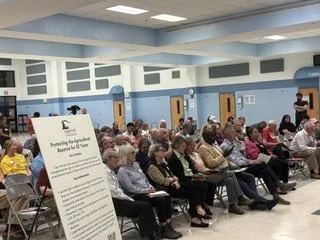
On February 3, Elrich convened a public forum on his framework and the issue at large. Some 100 to 125 people attended. Before the session, Elrich told a media outlet he favored a 6-month moratorium on approval of any data center until the Council approved regulations. In the same media piece, Council president Natali Fani-Gonzalez said she opposed a moratorium.

Roughly half the 40 or so attendees who spoke at the February 3 session supported a moratorium. Altogether, a majority of speakers opposed data centers outright or expressed skepticism they would be beneficial to the county and its residents.

A public hearing on both Council proposals is set for February 24. (See the details here.)

On February 6, Marilyn Balcombe, who represents the Dickerson area, held an open session with up-county residents devoted to the data center issue. At that meeting too, skepticism about the benefits dominated. Balcombe said she did not favor a moratorium but announced that the Council’s lawyers were looking into its legality.

Moreover, Ms. Balcombe expressed the view that the Dickerson project might be deserving of being “grandfathered-in” since Terra began seeking approval for the project over a year ago.

Our position

We support a six-month moratorium on the assessment of any data center proposal, including the Atmosphere Project. The County Council should take up the proposed zoning ordinance and Council Member Evan Glass’s proposal forthwith and put regulations in place as expeditiously as possible.

We do not support Atmosphere being exempted from the new regulations, or grandfathered-in, in any way.

The Atmosphere proposal is sufficiently different from the proposal Terra submitted and received approval for in fall 2024. To site just one profound difference: Terra agreed to a condition that no diesel generators would be attached to the project. Atmosphere’s proposal is very clear that diesel generators will be used (See Atmosphere’s fact sheet.).

But, most importantly, whatever data center regulatory framework the Council adopts will supplant the one that existed when the Terra project garnered initial approval in fall 2024—under the rubric of “cable communications.”

We appreciate that the relevant regulatory bodies in the fall 2024 had to use the information at hand. But the process is now altered significantly, and it simply makes no sense to allow Atmosphere to evade pending regulations covering the actual building of and operation of a data center campus—just because the process under Terra has begun over a year ago. Such a legal ruling by the county could in theory mean that Atmosphere could argue in court that they not be subject to the new regulations at all—an unfathomable outcome.

Read More
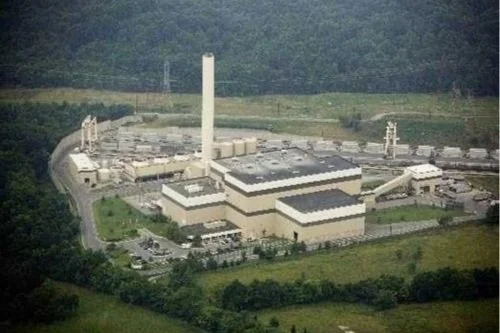
Dioxin Leak at Dickerson Incinerator Prompts Call for Closure

FOR IMMEDIATE RELEASE
February 20, 2026

Printable/PDF Version

Media Contact:
Lauren Greenberger
Vice President, Sugarloaf Citizens Association
lgreenberger@hotmail.com

Dioxin Leak Adds Urgency to Shuttering Montgomery County’s Aging Trash Incinerator
DICKERSON, Md. — Alarmed by reports of a recent massive dioxin leak at the aging Montgomery County trash incinerator in Dickerson, MD, Sugarloaf Citizens Association (SCA) urges the Montgomery County Council to move forward expeditiously with plans to end trash burning and haul the county’s waste to vetted landfills outside the County.
The incinerator, operated by Reworld, is currently the endpoint for all the county’s non-recyclable solid waste.

In November 2025, a report by the county’s Department of Environmental Protection (DEP) revealed that the incinerator was emitting nearly double the permitted limit—and 21 times more dioxin and furans than the last test in 2024.  There is no safe emissions limit established for these toxic chemicals.

The dioxin leak from the 30-year-old incinerator comes amid longstanding concerns about health hazards to the community and local agriculture associated with trash incineration, which also produces other toxic chemical emissions such as mercury, sulfur dioxide, arsenic, beryllium, lead, nitrogen oxides and fine particulate matter into the region’s air.

“Further delay by DEP or the County Council is unacceptable,” says Lauren Greenberger, SCA vice president. “We have advocated for an alternative to incineration for more than a decade, given the incinerator’s profile as the worst single source of air pollution and greenhouse gases in Montgomery County. This recent leak is yet more evidence that this aging facility is a continuing dire public health threat.”

 Reworld estimated in 2025 that it would cost from $50 million to $100 million to keep the facility operating safely and efficiently for another 7 to 10 years. More recently, DEP cited potential costs as high as $365 million in that timeframe.  Most trash incinerators are decommissioned after approximately 22 to 27 years of use.  
SCA supports efforts by the executive branch and County Council to overhaul the County’s current trash management system.  We are encouraged to learn that a pending contract could soon be awarded to a company that will manage the system. The choice of the winning bid launches a process of evaluation by the Council and the public. That evaluation will focus on the bidder’s plans, the expected transition period to a new system, and the cost.
When implemented, the plan will initiate hauling the County’s trash by truck (and maybe in the future by rail) to landfills, most likely outside Maryland.  Montgomery County lacks its own viable landfill site. Truck hauling of trash to the nation’s roughly 3,000 landfills is by far the most common waste management system in the U.S. Only about 13% of our nation’s trash is still incinerated. 
This transition would mean that the Dickerson incinerator would be shuttered—once the new system is up and running.
Montgomery County Council President Natali Fani-Gonzalez has asked DEP and County Executive Marc Elrich for more information on the transition to landfilling and ways to reduce the County’s volume of trash.  She has also said in recent weeks that she will “not allow” the transition to landfilling to be debated by the Council absent full details related to waste reduction, trucking to one or more landfills, and closing the incinerator—and the associated costs of a coordinated plan for all of that.    

“We understand Ms. Fani-Gonzalez’s desire for more details. We’d like those details, too.”  said Steven Findlay, SCA president. “But our concern is that her approach could significantly delay closure of the incinerator and the transition to a better, more environmentally safe, and less costly system.  After years of dithering and at least a million dollars spent on consultants, the time has come to get this done.”    

SCA requests that the County DEP disclose the nature, duration, and scope of the dioxin leak at the Dickerson incinerator and engage the Maryland Department of the Environment to assess related health consequences.
For more information on Montgomery County’s solid waste management transition from incineration to landfill, see:


About Sugarloaf Citizens Association: SCA is a nonprofit organization of volunteers founded in 1973. Our primary mission is to preserve and protect the Agricultural Reserve — the 93,000 acres of northern Montgomery County zoned in the 1980s for farming, land conservation, and open space.

We also advocate for sound environmental stewardship and climate change policies in the Ag Reserve and for the county as a whole — for the benefit of all residents.

# # #

Read More
SCA’s Position on Montgomery County’s Trash Overhaul Plans

Updated January 22, 2026

Note: See links to related material at the end of this update.

In September 2025, Montgomery County took a giant step toward overhauling its trash management systems. The County released an RFP (request for proposal) to private companies to propose the means and methods—and cost—of disposing of the County’s 550,000 tons per year of non-recyclable trash.

The bids from that process are now in and being evaluated. They are yet not public, and it may be the case that only the specifics of the winning bid will be made public—likely this month or by early February.

The winner of this bid process will be expected to manage the system they propose for an initial five years, with the likelihood the contract would continue beyond that point—if all goes well.

The choice of the winning bid launches a process of evaluation by the County Council and the public. That evaluation is primarily focused on the bidder’s plans, the expected transition period to a new system, and the cost.

The transition will be from burning the County’s trash at the Dickerson incinerator—the County’s existing system—to hauling it by truck (and maybe in the future by rail) to landfills outside the County and state.  Montgomery County lacks its own landfill site.

Truck hauling of trash to the nation’s roughly 3,000 landfills is by far the most common waste management system in the U.S. It accounts for the disposal of 65% of trash after recyclable material is diverted from the “waste stream.”

The transition in Montgomery County would mean that the 30-year-old Dickerson incinerator would be shuttered—once the new system is up and running.

By contract agreement, the County must give the incinerator’s operator, ReWorld, (formerly Covanta), six-month notice that its services are no longer needed.

It’s unclear at this point the time frame the bid winner will propose.

SCA has advocated for an alternative to incineration for more than a decade, and thus we have strongly supported the County’s RFP process. The Dickerson incinerator has been and remains today the worst single source of air pollution and greenhouse gases in the County—emitting toxic pollutants harmful to human health and some 600,000 tons per year of CO2 equivalent into our region’s air.

As bad as breathing these toxic fumes for decades has been for our community, the situation has become dire in recent months. An annual emissions test in September revealed that the incinerator regularly emitted nearly double the permitted limit and 21 times more of the deadliest chemicals known to science—dioxin and furans—since the last test was done a full year ago. There’s no safe emissions limit established for these toxic chemicals.

SCA’s advocacy to protect County residents’ health from the incinerator’s harmful emissions has influenced County officials to search for alternatives. But the rising cost of operating the aging incinerator facility also now plays a big role. At 30 years old, its infrastructure is breaking down. Most incinerators are decommissioned after approximately 22 to 27 years of use. ReWorld estimated last year that it would cost $50 to $100 million to keep the facility operating safely and efficiently for another 7 to 10 years.

Lingering confusion

Unfortunately, confusion about how the transition would and should roll out has recently raised the specter of delay—even before the winning bid has been revealed.

The new Council President, Natali Fani-Gonzalez, has told the County’s Department of Environmental Protection (DEP) that she will “not allow” the transition to landfilling proposal to be heard by the Council without seeing a full accompanying waste reduction strategy.

Such a reduction in the waste stream is a major component of the County’s overall plan. But how that gets implemented involves additional measures, some of which are complex and will take years to implement.

For example, the County Council has already budgeted for the first phases of an expanded program to remove commercial and residential food scraps from the waste stream. Three residential food scrap collection pilots are underway. The scraps would be composted along with yard waste. Food scraps make up between 17% and 20% of the current volume of waste. (See below for more about this and SCA’s role composting food scraps.)

Another component of the plan is to remove and recycle so-called “C&D” (construction and demolition) materials in lieu of burning or burying them. The County already does some of this. But a new, beefed-up program would seek to divert 100% of this refuse. C&D waste makes up about 20% of the County’s current waste stream.

A third aspect is to integrate high-tech methods to improve the County’s recycling rate—that is, to pull all the recyclable material possible from the trash after it is collected but before it goes to landfill. DEP is currently writing an RFP to choose a vendor to build and operate such a facility within the footprint of the Shady Grove Transfer Station (where most of the County’s trash goes first for sorting.)

A fourth strategy is to implement a Save-As-You-Throw payment scheme that would allow residents to recycle as much as they want, but pay a variable amount based on the volume of trash they put out (much the way we now pay for out electricity usage.)

These are important initiatives and SCA wholeheartedly supports them. However, we cannot support delaying the incinerator closure until they can all be fully implemented. The incinerator poses too great a threat to both human health and to the environment to justify further delay.

Personnel, politics and leadership

County elections in 2026 also threaten decisions and timelines affecting this issue.

County Executive Marc Elrich will be stepping down due to term limits. But he plans to run for a seat on the 11-member County Council (on which he served for many years before becoming County Executive). Three current council members are running to replace Elrich. And a host of candidates are poised to run for the council.

To add to the shifting landscape of County leaders, the new head of the Montgomery County Department of Environmental Protection (DEP)—Jennifer Macedonia—started in that post on Dec. 1. DEP is the County agency with purview over trash management.

As mentioned above, current County Council president Natali Fani Gonzalez (who represents District 6) is threatening to block discussion and a vote on the transition plan.

County Executive Elrich is working with Ms. Macedonia and DEP to develop a plan to present to the County Council in the next month that would lay out the specifics and timing of the various elements of a new waste management system. When the plan is presented, it’s our hope that the council president will bring it to the council for review and a vote on the plan and its budget in April or May.

SCA, other stakeholders, members of the County Council, and County residents now await announcement of the winning trash haul bid and the County Executive’s and DEP’s plans.

SCA’s position on closing the Dickerson incinerator

Any further delay in transitioning away from waste incineration this year is not in the best interests of County residents.

  • Landfills today are better regulated and operated than even five years ago. SCA vetted 42 in the region with strict environmental justice (EJ) criteria and found many that have minimal impact on both the nearby population and the surrounding environment and five that met every EJ criterion and have receiving capacity. Toxic emissions from our incinerator that can harm human health are 2.5 to 5 times worse than the vetted landfills.

  • Almost all modern landfills capture methane gas. Even with food scraps going to landfill, the greenhouse gas emissions would be around 40% lower than burning trash in Dickerson.

  • Continuing to burn the County’s trash would almost certainly cost millions of dollars more per year. That’s because the aging incinerator requires significant upgrades and maintenance if it’s to be kept operating safely. Thus, the change from incinerating trash to landfilling it will save County taxpayers’ money.

  • Switching to landfill will provide direct incentives to lower trash volume where burning does not. No matter the volume, the County pays ReWorld the same amount to burn.

  • Conversely, if we landfill our trash, we will only pay for the amount we send. As diversion and recycling increases, our costs will drop.

  • Montgomery County currently trucks 150,000 tons of toxic incinerator ash every year to a predominately Black community in Virginia. Sending our unburned trash to a vetted landfill that meets environmental justice criteria relieves an unhealthy burden to this community.

  • The County spent more than a million dollars on studies by consultants of alternatives approaches to waste management. Although some meaningful data and points were raised in those studies, DEP found bias in the results and ended up rejecting the overall recommendations in favor of pursuing the landfill option and closing the incinerator.

The bottom line is this: If the price of truck hauling and landfill presented in the winning bid is acceptable and if the County enhances its recycling rate even further, diverts food scraps to compost, and incentivizes businesses and citizens to produce less garbage through behavioral change, the volume of trash going annually to landfill from Montgomery County could be reduced (over time) to an estimated 300,000 to 400,000 tons a year (reduced from 550,000 tons a year currently) with far less environmental and health impact, and release of greenhouse gases than incineration.

We’ll be updating this post as developments occur in coming weeks and months.

Read More
Our Position on Agritourism

November 17, 2025

The following statement was issued the week of November 10, 2025 by four organizations who are involved in protecting and preserving the Ag Reserve, including SCA.  Please feel free to distribute it. And please consider commenting on it in the section below.

Position Statement PDF

Centering Agriculture in Agritourism
A Joint Position Statement on Agritourism
11/3/2025
Montgomery County Farm Bureau, Montgomery Agricultural Producers
Montgomery Countryside Alliance and Sugarloaf Citizens Association

In 1980, Montgomery County enacted a visionary solution to stem the loss of farms and farmland. It created the Agricultural Reserve, which has been lauded as the nation’s most innovative and successful farmland protection effort. Montgomery County has reaped the benefits of this initiative every day. The Ag Reserve has preserved farms and farming opportunities; it enables local food and grain production; it protects water and air quality for the region; and it provides an array of outdoor recreational opportunities for the entire County. The farms of the Ag Reserve contribute $281 million annually and support over 10,000 jobs in the County.

Maryland lost an average of 2,400 acres of farmland each year between 2017 and 2022. Montgomery County’s land use policies have helped stem the loss of producing farms here, but maintaining thriving farms requires care.

The Ag Reserve remains one of the County’s best ideas – an achievement many other jurisdictions envy. The fundamental purpose of the Reserve—to protect thriving farms—will be strengthened through enhanced connections between producing farms and residents in the County’s urban and suburban areas.

Agricultural tourism is thriving in the Ag Reserve. Many farmers are enhancing revenue by building new markets for their farm products. For decades, thousands of visitors have flocked to Ag Reserve farms to shop at farm stores, for “pick your own” produce, harvest festivals, wineries, breweries, cideries, corn mazes, educational farm tours, animal visits, farm-to-table dinners, and equestrian events. Agritourism connects consumers with local farms not only for purchasing local products but also to build greater understanding about how food is produced and why it is important to support a strong local food system.

A Fragile Balance

Why then is the subject of agritourism becoming somewhat controversial? It’s simple: Some landowners (or land speculators) seek to profit from land planned and zoned as protected farmland by introducing commercial activities that are not associated with farming. Land in the Reserve has been zoned to ensure that it will remain reasonably affordable for farmers to lease or purchase. Business investors who are not farmers, if allowed to divert land from the primary use of farming, will attract other land investors with non-farming ideas. Providing for non-agricultural commercial uses of the Reserve is already driving up the cost of land for bona fide farmers, including, importantly, next 2 generation producers. Promoting competition for land from distinctly non-agricultural commercial uses does not support the Ag Reserve and the local agricultural economy. Rather, it undermines it.

Ag Centered Agritourism

Our position is based on a single, solid principle: Farming must come first in the Ag Reserve. Non-farm uses of the land must directly support agriculture (i.e., be “accessory” to agriculture in regulatory language). Ag-centered agritourism directly supports farming, by bringing visitors to working, commercial farms, and helps farmers diversify and expand their revenue. Ag centered agritourism will not inflate farmland prices by providing incentive for non-farmers to buy up farmland.

Unfortunately, there are plenty of examples of “agritourism” ideas that do not enhance farming operations but might create revenue for a landowner. In a domino effect, every time a landowner starts a non-farming business in the AR zone, the door is opened wider to more non-farming business. Allowing land speculators to create non-farming businesses with thinly veiled “ag-lite” activities will take land out of farming and drive land costs up.

We suggest the following to facilitate an agritourism permitting and oversight process that best serves farmers, rural residents, and the region:

(1)Follow the current regulatory framework for allowing agritourism operations

The AR zone and its development standards ensure that agritourism complements and supports, rather than supplants, the primary agricultural use of the land.

  • Purpose of the Ag Reserve: The AR zone intent is to "promote agriculture as the primary land use".

    Agricultural priority: Agricultural operations are given priority and "cannot be restricted on the grounds that it interferes with other uses permitted in the zone."

  • Agritourism as accessory: Agritourism activities are considered accessory uses to the main farming operation and must be conducted as part of the farm's regular business.

(2) Further clarify/define agritourism (in a farmer-driven process)

We recommend that the Department of Permitting Services work with the Office of Agriculture and the Soil Conservation District staff to clarify any requirements that may cause confusion for farms. Making existing zoning regulations clear to potential agritourism operations at the outset helps applicants and the wider community. Publications and discussions need to very clearly state what is currently allowed and what is prohibited in The County’s Zoning Code – along with any other ordinances that might impact a potential operation (noise, forest cover, wells, impervious surface, need for permits, etc.). The OAG has a good start on this effort with the Regulatory Guidelines for Farmland Operations. DPS’ recently formed “navigator” service is also a positive step.

In addition, “agritourism” does not have a stand-alone definition in the County Codes. An explicit definition should be developed for clarity. That definition should be created in collaboration with the farming community, especially those who have conducted agritourism activities successfully within the current Codes.

1. Give agritourism a specific home in County regulation

As agritourism is different from other types of tourism in the county – and, as stated, needs to be in service of agriculture – it makes sense that it would have a different home and oversight in regulation and county government. We propose that the Office of Agriculture is the best jurisdictional “home” to facilitate these operations, and to keep farm protection the priority of County regulation. For promotion – a cross-sector approach would work well to bring residents out to the Reserve’s farms.

2. State level initiatives need to be balanced with the unique Ag Reserve

The balance of allowable land uses that keep farms protected in Montgomery County is fragile. Statewide initiatives to bolster certain activities on farms must be examined for accordance with the Ag Reserve’s master planned goals. Montgomery County must not surrender its locally focused land use planning and regulation to State control, which itself has to meet the needs of all Counties, including all those who do not have an Ag Reserve to protect.

Moving forward, we must:

  • Ensure that agriculture is at the center of all commercial activity on farms in the Ag Reserve,

  • Craft a clear, explicit definition of agritourism in collaboration with broad representation of the farming community, and

  • Make sure that Montgomery County maintains independent authority over its ability to regulate agriculture and “accessory” activities.

The Ag Reserve has survived and prospered for 45 years. If agritourism keeps farming front and center, then agritourism can contribute to the success of the next 45 years and beyond.

Toward Collaboration,

Doug Lechlider, President
Montgomery County Farm Bureau

Bob Cissel, Executive Director
Montgomery Agricultural Producers

Steve Findlay, President
Sugarloaf Citizens Association

Caroline Taylor, Executive Director
Montgomery Countryside Alliance  

Centering Agriculture in Agritourism
A Joint Position Statement on Agritourism
11/3/2025
Montgomery County Farm Bureau, Montgomery Agricultural Producers
Montgomery Countryside Alliance and Sugarloaf Citizens Association

In 1980, Montgomery County enacted a visionary solution to stem the loss of farms and farmland. It created the Agricultural Reserve, which has been lauded as the nation’s most innovative and successful farmland protection effort. Montgomery County has reaped the benefits of this initiative every day. The Ag Reserve has preserved farms and farming opportunities; it enables local food and grain production; it protects water and air quality for the region; and it provides an array of outdoor recreational opportunities for the entire County. The farms of the Ag Reserve contribute $281 million annually and support over 10,000 jobs in the County.

Maryland lost an average of 2,400 acres of farmland each year between 2017 and 2022. Montgomery County’s land use policies have helped stem the loss of producing farms here, but maintaining thriving farms requires care.

The Ag Reserve remains one of the County’s best ideas – an achievement many other jurisdictions envy. The fundamental purpose of the Reserve—to protect thriving farms—will be strengthened through enhanced connections between producing farms and residents in the County’s urban and suburban areas.

Agricultural tourism is thriving in the Ag Reserve. Many farmers are enhancing revenue by building new markets for their farm products. For decades, thousands of visitors have flocked to Ag Reserve farms to shop at farm stores, for “pick your own” produce, harvest festivals, wineries, breweries, cideries, corn mazes, educational farm tours, animal visits, farm-to-table dinners, and equestrian events. Agritourism connects consumers with local farms not only for purchasing local products but also to build greater understanding about how food is produced and why it is important to support a strong local food system.

A Fragile Balance

Why then is the subject of agritourism becoming somewhat controversial? It’s simple: Some landowners (or land speculators) seek to profit from land planned and zoned as protected farmland by introducing commercial activities that are not associated with farming. Land in the Reserve has been zoned to ensure that it will remain reasonably affordable for farmers to lease or purchase. Business investors who are not farmers, if allowed to divert land from the primary use of farming, will attract other land investors with non-farming ideas. Providing for non-agricultural commercial uses of the Reserve is already driving up the cost of land for bona fide farmers, including, importantly, next 2 generation producers. Promoting competition for land from distinctly non-agricultural commercial uses does not support the Ag Reserve and the local agricultural economy. Rather, it undermines it.

Ag Centered Agritourism

Our position is based on a single, solid principle: Farming must come first in the Ag Reserve. Non-farm uses of the land must directly support agriculture (i.e., be “accessory” to agriculture in regulatory language). Ag-centered agritourism directly supports farming, by bringing visitors to working, commercial farms, and helps farmers diversify and expand their revenue. Ag centered agritourism will not inflate farmland prices by providing incentive for non-farmers to buy up farmland.

Unfortunately, there are plenty of examples of “agritourism” ideas that do not enhance farming operations but might create revenue for a landowner. In a domino effect, every time a landowner starts a non-farming business in the AR zone, the door is opened wider to more non-farming business. Allowing land speculators to create non-farming businesses with thinly veiled “ag-lite” activities will take land out of farming and drive land costs up.

We suggest the following to facilitate an agritourism permitting and oversight process that best serves farmers, rural residents, and the region:

(1)Follow the current regulatory framework for allowing agritourism operations

The AR zone and its development standards ensure that agritourism complements and supports, rather than supplants, the primary agricultural use of the land.

  • Purpose of the Ag Reserve: The AR zone intent is to "promote agriculture as the primary land use".

    Agricultural priority: Agricultural operations are given priority and "cannot be restricted on the grounds that it interferes with other uses permitted in the zone."

  • Agritourism as accessory: Agritourism activities are considered accessory uses to the main farming operation and must be conducted as part of the farm's regular business.

(2) Further clarify/define agritourism (in a farmer-driven process)

We recommend that the Department of Permitting Services work with the Office of Agriculture and the Soil Conservation District staff to clarify any requirements that may cause confusion for farms. Making existing zoning regulations clear to potential agritourism operations at the outset helps applicants and the wider community. Publications and discussions need to very clearly state what is currently allowed and what is prohibited in The County’s Zoning Code – along with any other ordinances that might impact a potential operation (noise, forest cover, wells, impervious surface, need for permits, etc.). The OAG has a good start on this effort with the Regulatory Guidelines for Farmland Operations. DPS’ recently formed “navigator” service is also a positive step.

In addition, “agritourism” does not have a stand-alone definition in the County Codes. An explicit definition should be developed for clarity. That definition should be created in collaboration with the farming community, especially those who have conducted agritourism activities successfully within the current Codes.

1. Give agritourism a specific home in County regulation

As agritourism is different from other types of tourism in the county – and, as stated, needs to be in service of agriculture – it makes sense that it would have a different home and oversight in regulation and county government. We propose that the Office of Agriculture is the best jurisdictional “home” to facilitate these operations, and to keep farm protection the priority of County regulation. For promotion – a cross-sector approach would work well to bring residents out to the Reserve’s farms.

2. State level initiatives need to be balanced with the unique Ag Reserve

The balance of allowable land uses that keep farms protected in Montgomery County is fragile. Statewide initiatives to bolster certain activities on farms must be examined for accordance with the Ag Reserve’s master planned goals. Montgomery County must not surrender its locally focused land use planning and regulation to State control, which itself has to meet the needs of all Counties, including all those who do not have an Ag Reserve to protect.

Moving forward, we must:

  • Ensure that agriculture is at the center of all commercial activity on farms in the Ag Reserve,

  • Craft a clear, explicit definition of agritourism in collaboration with broad representation of the farming community, and

  • Make sure that Montgomery County maintains independent authority over its ability to regulate agriculture and “accessory” activities.

The Ag Reserve has survived and prospered for 45 years. If agritourism keeps farming front and center, then agritourism can contribute to the success of the next 45 years and beyond.

Toward Collaboration,

Doug Lechlider, President
Montgomery County Farm Bureau

Bob Cissel, Executive Director
Montgomery Agricultural Producers

Steve Findlay, President
Sugarloaf Citizens Association

Caroline Taylor, Executive Director
Montgomery Countryside Alliance

Read More
Welcome to the new Royce Hanson Conservation Park in Dickerson

October 14, 2025

Kudos to Montgomery County, the Montgomery County Parks Foundation, and an advocacy group of County residents for creating the Royce Hanson Conservation Park at Broad Run.

This new 475-acre park at 21765 Club Hollow Road in Dickerson will celebrate farming and the Ag Reserve—through educational programs, interpretation of the area’s rich agricultural history, and the enjoyment of nature.

With trails and recreational opportunities for hikers, cyclists, and equestrians, there’s something for everyone.

Most important, the new park celebrates Dr. Royce Hanson—a true visionary—and the County policymakers that worked with him to create the Ag Reserve in 1980.

Born in Depression-era Oklahoma, Dr. Hanson grew up to become an academic, a public servant, author, urban planner, conservationist, and advocate for farming, wilderness, and outdoor recreation. He served two terms as Chairman of the Montgomery County Planning Board, first from 1972 to 1981, and again from 2006 to 2010. From 2009 to 2022, Dr. Hanson served on the Board of the Montgomery County Parks Foundation.

Thanks to his and the County’s commitment, the Ag Reserve—comprising a third of the county—has become a national model of agricultural preservation in a densely populated area.

The Montgomery Parks Foundation has launched a $100,000 fundraising campaign to enhance the park’s facilities and educational programming. You can donate via the Foundation’s website.

Read More
Our Position on Solar Energy in Montgomery County and Maryland

Updated: July 18, 2025

Note: The Summer 2025 issue of PLENTY magazine features an article by SCA President Steven Findlay on the new state solar law, which went into effect July 1. The piece explores how the legislation evolved, what it does, and the debate surrounding it.

Click here to view/download the full article.

Below is an updated web post on this issue. Details on the new law—which are complex—can be found in the PLENTY piece and are not addressed in this post.

A new state law—The Renewable Energy Certainty Act—went into effect on July 1. It aims to significantly expand solar energy generation in Maryland. It does that by:

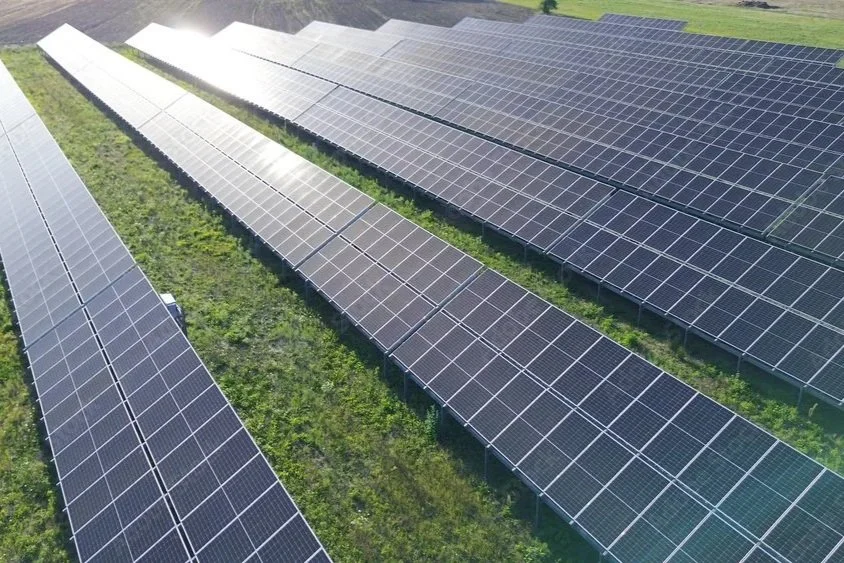
  • Streamlining regulations for the assessment of proposed ground-based solar facilities

  • Giving solar companies easier access to farmland—around 120,000 acres throughout the state, and

  • Preventing counties from denying permits for utility-scale solar projects.

We’ll now see how the law affects the solar industry—whether it prompts a flood or just a trickle of new proposals. We’ll see how the state’s Public Service Commission (PSC), which is charged with reviewing solar proposals, adapts its process to the new law. We’ll see how easily the state’s energy companies and regulators accommodate new solar proposals—that is, accept them for addition to the grid, and in what timeframe. And, finally, we’ll see just how many landowners/farmers in the Ag Reserve are interested in converting some of their land from agriculture to solar energy generation.

Before the law passed the legislature in April, no certainty existed around the scope of landowner interest, beyond the anecdotal and a few projects already in process.

Joined by Montgomery Countryside Alliance (MCA), the Montgomery Farm Bureau (MFB), and Montgomery Agricultural Producers (MAP), SCA will be closely tracking implementation of the law and solar proposals in the Ag Reserve and Montgomery County.

The state’s Department of Agriculture is due to release a fact sheet and Q&A on the law soon. We’ll share those with you when we get them.

Solar companies continue to contact landowners in and near the Ag Reserve, offering to evaluate their land for possible solar development. Neither state nor county officials appear to be tracking those offers. Landowners have reported solar offers that would net them 10 to 20 times more money than leasing to a farmer.

That issue and the concept of converting historically agricultural land to non-farm use triggered fierce opposition to the new law in some quarters. SCA shared that concern and fought to amend the bill.

Our main concern: the law appears to create a “slippery slope” that could undermine the ag economy and Ag Reserve over time. But just how steep that slippery slope might be depends on many factors—not the least of which is how the entities that regulate energy supply react.

The most important of those entities is PJM Interconnection. PJM is responsible for operating the wholesale energy market in 13 states and Washington, DC, including Maryland. For years, PJM has told state lawmakers and regulators that it was “backlogged” on solar projects—because such projects had proliferated. Will that backlog now change under the new law and amid rising energy demand? It’s not clear.

Several local solar projects in the regulatory pipeline may provide further insight on how things will go.

One (Chaberton Sugarloaf) is a 3-megawatt project on approximately 11 acres in Dickerson. Another (Chaberton Ramiere) is a 4-megawatt project on 16 acres near Poolesville. A third (Mountain Vale) is a 2-megawatt project on 11 acres at 17700 Barnesville Rd. And a fourth (Project Victoria) is a 4.3-megawatt project at 15220 River Rd in Darnestown (as sister to a 2.5-megawatt solar installation nearby at 13330 Signal Tree Lane, which is already approved and under construction.)

Three of those projects (Dickerson, Poolesville, and Darnestown) are proposed by Chaberton Solar, a company based in Rockville. If approved by the PSC, Chaberton Sugarloaf and Ramiere would be built on land that have been farmed for years and mostly comprised of high-quality class 2 soils.

SCA is an “intervenor” in the PSC process on Chaberton Sugarloaf and Ramiere, together with MCA, MAP and MFB.

See here for information on an upcoming hearing on the Montvale project. And see here for information (from community opponents) on the Victoria project.

We welcome your comments and questions on this issue. They will help inform our advocacy. We’ll be updating this post as things evolve.

Read More
Read Article: Maryland county may spend $57 million on incinerator it wants to close

In case you missed it, an article published in The Washington Post on Monday June 2 covers machinations around the Dickerson incinerator. SCA is quoted. Read the full article: Maryland county may spend $57 million on incinerator it wants to close. For those who may not have access to The Washington Post, click here to read a PDF of the full article.

Read More
Trash Burning No Longer Considered “Renewable Energy” in Maryland

April 10, 2025

Maryland lawmakers enacted legislation on April 7 ending Maryland’s classification of trash incineration as “renewable energy.”

It’s been considered that since 2011, as part of the state’s “renewable portfolio standard” program. As such, the energy generated in “waste-to-energy” (or “refuse-derived fuel) facilities, such as the one in Dickerson, was treated the same as energy produced by solar and wind facilities. That included subsidies to help promote renewable energy sources.

Thus, incinerators effectively took money out of the pockets of solar, wind and other clean energy companies—even as incinerators polluted the air and generated greenhouse gases. Since 2011, Maryland consumers have supported the Dickerson incinerator to the tune of around $30 million.

The new law is a huge win for environmental, civic and energy justice groups—includingSCA—which have been pushing this outcome for years.

Maryland is now the second state, after California, to delete trash incineration from its renewable energy portfolio.

“It’s about time,” said Lauren Greenberger, SCA’s vice president and main advocate on the issue. “It’s been such a ‘waste’ of money—pun intended—and has helped prop up the remaining incinerators in the state, which are too old, inefficient, and produce dirty energy.”

Added Jennifer Kunze, Maryland Program Director with Clean Water Action: “This action will help support the development of zero waste infrastructure by making it easier for composting, reuse and recycling, and other healthier solid waste management practices to compete without fighting uphill against state subsidies supporting the worst solid waste management option.”

Read More
Power Line Project is a Bad Idea

December 5, 2024

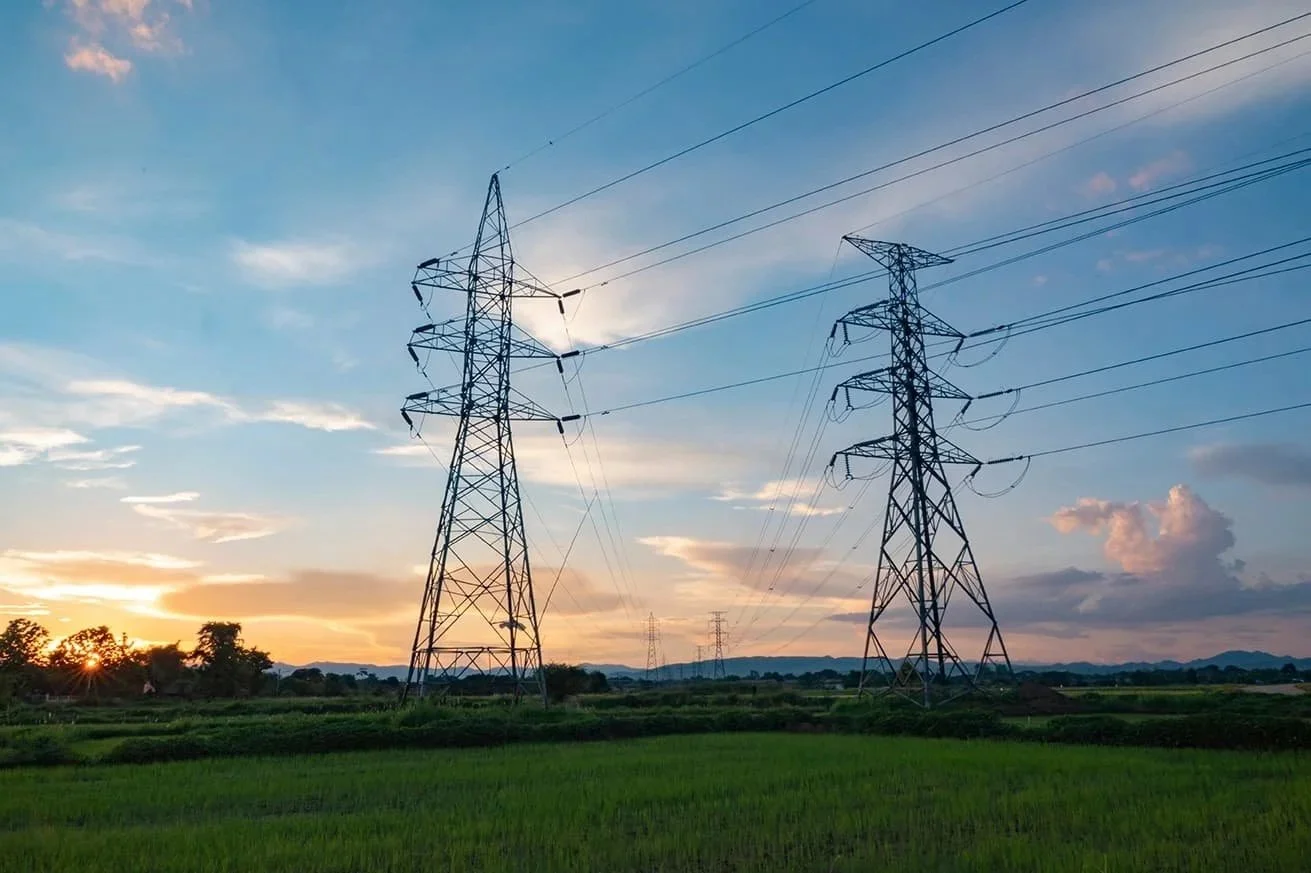
A proposed high-energy power line extending 70 miles from the Baltimore area to Adamstown would threaten an estimated 4,000 acres of farmland, forests and wildlife habitats. It would also require permanent easements on dozens of farms and private properties to site hundreds of 140-foot-tall transmission towers.

SCA joins the Baltimore, Carroll and Frederick County governments, the Maryland Farm Bureau, Preservation Maryland, the Chesapeake Bay Foundation, and a host of regional environmental in opposition to the project. Maryland Gov. Wes Moore said in late November he had “grave concerns” about the project but has not yet opposed it.

We urge you to learn more online and at StopMPRP.com. MPRP stands for Maryland Piedmont Reliability Project.

Power lines are, of course, a necessary fixture of modern life. When they are justified, we support them and live with the eyesore. But the necessity of this one has been widely questioned. It will mainly provide power to the burgeoning data center industry in Virginia, and not Maryland homes and businesses. But Marylanders will help pay the estimated $424 million cost of the project.

The project also relies on outdated infrastructure. Experts consulted by StopMPRP say more sustainable and efficient alternatives are available.

There are larger issues at play, too. Maryland lacks a coherent long-term energy strategy that takes the environment, the well-being of residents, and climate change into consideration—even as demand for energy is expected to rise sharply over the next decade.

MPRP is still in the planning stages and needs final approval from regulators and the entity (PJM Interconnection) that oversees energy sharing in 13 east coast and mid-west states. The projected date that MPRP would be completed and become operational is June 2027.

The company that won the bidding to build the project is Newark, New Jersey-based Public Service Enterprise Group (PSEG). PSEG says the project is designed to transport electricity primarily from Pennsylvania to Northern Virginia. To date, PSEG has not shared how much of that energy will end up being used in Maryland.

Notably, if Maryland landowners don’t willingly grant property easements to PSEG, the company could seek “eminent domain” to forcibly acquire their land. This would set a dangerous precedent and open the door to further encroachments on private land across the state. Because of rising demand for energy, projects like MPRP could become more frequent in the mid-Atlantic region. Thus, stopping MPRP could serve as an important precedent.

Read More
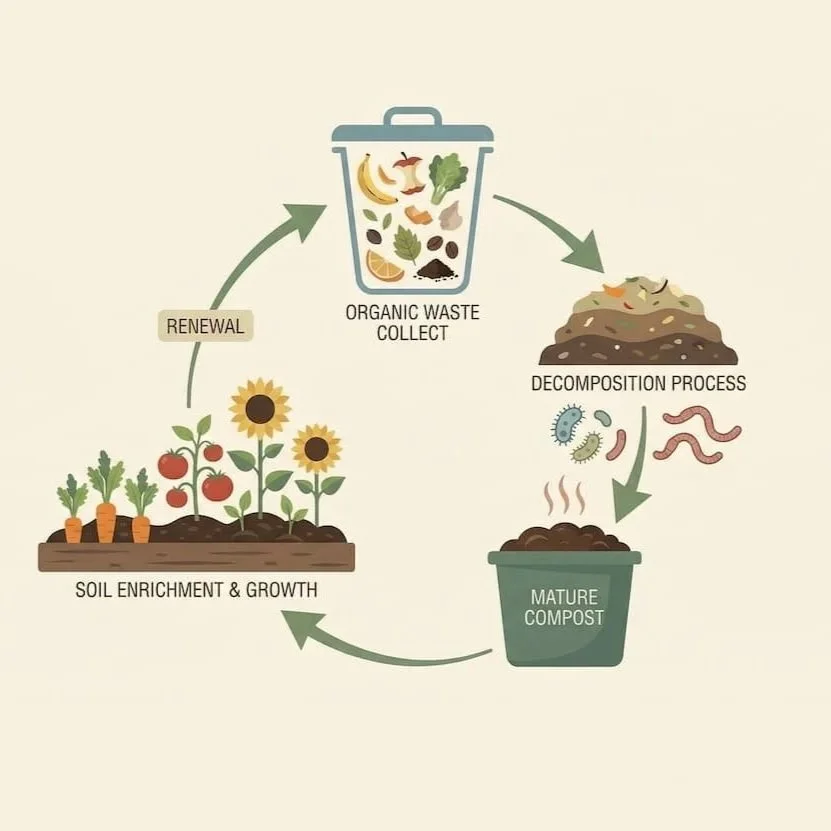
County Enhances Food Compost Effort

November 15, 2024

This month, Montgomery County launched the latest phase of its initiative to reduce food waste by encouraging businesses and residents to compost instead of discarding food scraps in the trash. (See a short video later in this article.)

Food scraps account for about one-quarter of the county's total trash volume. In 2023, the county estimates that approximately 90,000 tons of food waste ended up in the trash, most of which was incinerated at the county's facility in Dickerson.

Composting food scraps is an environmentally beneficial practice (and thus, a no-brainer), but it requires significant changes in behavior for households and businesses, as well as adaptations to the county’s waste management systems. The county has been running a pilot composting program for several years and now plans to increase participation and enhance its infrastructure.

Part of this effort includes allowing residents to “recycle” food scraps at the curbside, just as they do with glass, plastic, paper, and cardboard. The collected scraps would be transported to a central location, likely the Dickerson yard trim compost facility.

Click “Read More” to go to the full article and watch a short YouTube video of the County’s recent ceremony on the composting initiative.

Read More
Montgomery County Council Approves Limited Camping in Ag Reserve

Updated August 12, 2024

The Montgomery County Council in late July approved a zoning ordinance that will allow some landowners in the Ag Reserve to host overnight guests in what will essentially be private campgrounds open to the public. The measure goes into affect August 19.

The new ordinance—called Zoning Text Amendment (ZTA) 24-02—was approved by the 11-member Council after eight months of debate that ended in a compromise, scaled-down version of an earlier proposal. That proposal drew broad opposition from farmers and Ag Reserve groups, including SCA.

The measure as passed has the following allowances, limits, and restrictions:

• Campgrounds can be on working farms only. Thus, entrepreneurs thinking about buying land in the Ag Reserve solely to develop a private campground would not be permitted to do so.

• Landowners must submit plans for a private campground to the county for evaluation under “conditional use” rules. That means County officials will evaluate each proposal on its own merits and “conditions” may be imposed depending on the specific needs of the property and neighborhood.

• A property must be at least 25 acres to qualify for a campground.

• A campground can encompass only 10% of a property’s total acreage, or 5 acres, whichever is smaller.

• Campsites don’t have to be clustered in one area. If spread out, however, they still must comply with the 10% or 5-acre limit

• A campground must be 100 feet from any neighboring property line.

• Properties of 25 to 100 acres can have up to 5 sites for tent or RV camping, or temporary removable structures such as yurts or small cabin on wheels.

• Properties larger than 100 acres can have up to 10 such sites, of which only 5 can be for RV camping.

• No tents, RVs, or removable structures are permitted in a stream buffer or floodplain, and cutting down trees to create a campground is prohibited.

• Temporary removable structures cannot be larger than 200 square feet.

• Such structures cannot have heating or air conditioning systems, kitchens or bathrooms. RVs can have such amenities.

• Property owners are not required to provide separate bathrooms, bathing facilities, or cooking facilities. If they do, those facilities must meet existing county codes, including those for septic systems, and be approved by county authorities.

• Guests can stay a maximum of 3 nights only.

Read More
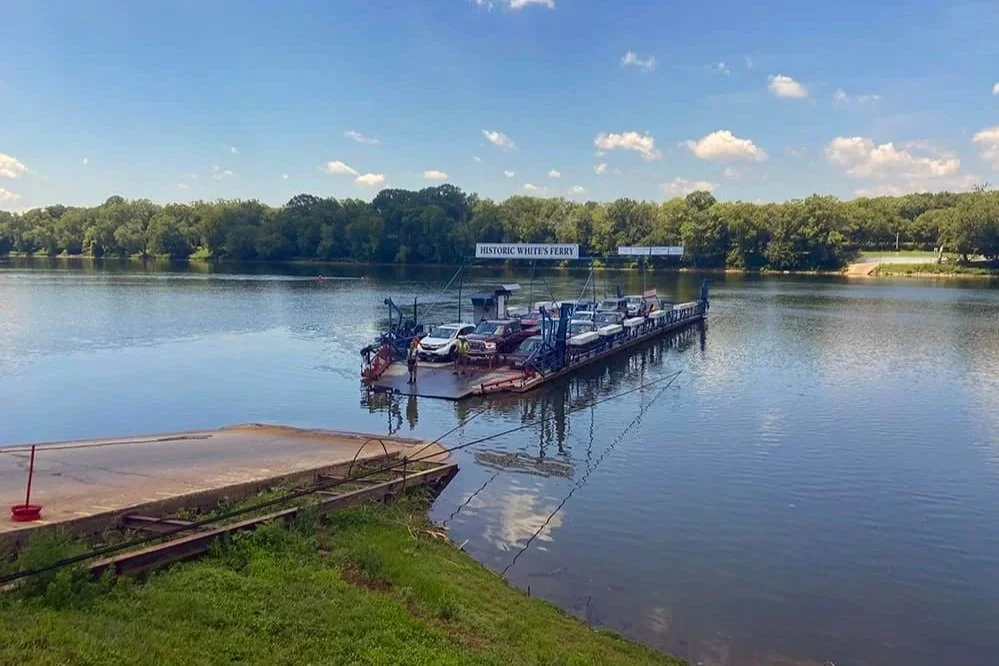
SCA Supports Proposed White’s Ferry Deal

April 29, 2024

After more than three years, a possible deal is in the works to reopen White’s Ferry. This is an unexpected and very promising development.

Before it stopped operating in December 2020, the ferry served as a vital and historic link between Virginia and northern Montgomery County for over 200 years. It was one of the oldest such car ferries in the country, the only remaining ferry running on the Potomac (of more than 100 that once operated), and the only river crossing in a 35-mile stretch between the American Legion Bridge and a bridge near Point of Rocks.

As such, White’s Ferry was an historic treasure as well as a functional service. Routine commuter and commercial traffic—between 600 and 800 cars a day—yielded benefits to both Virginia and Maryland communities.

Read More
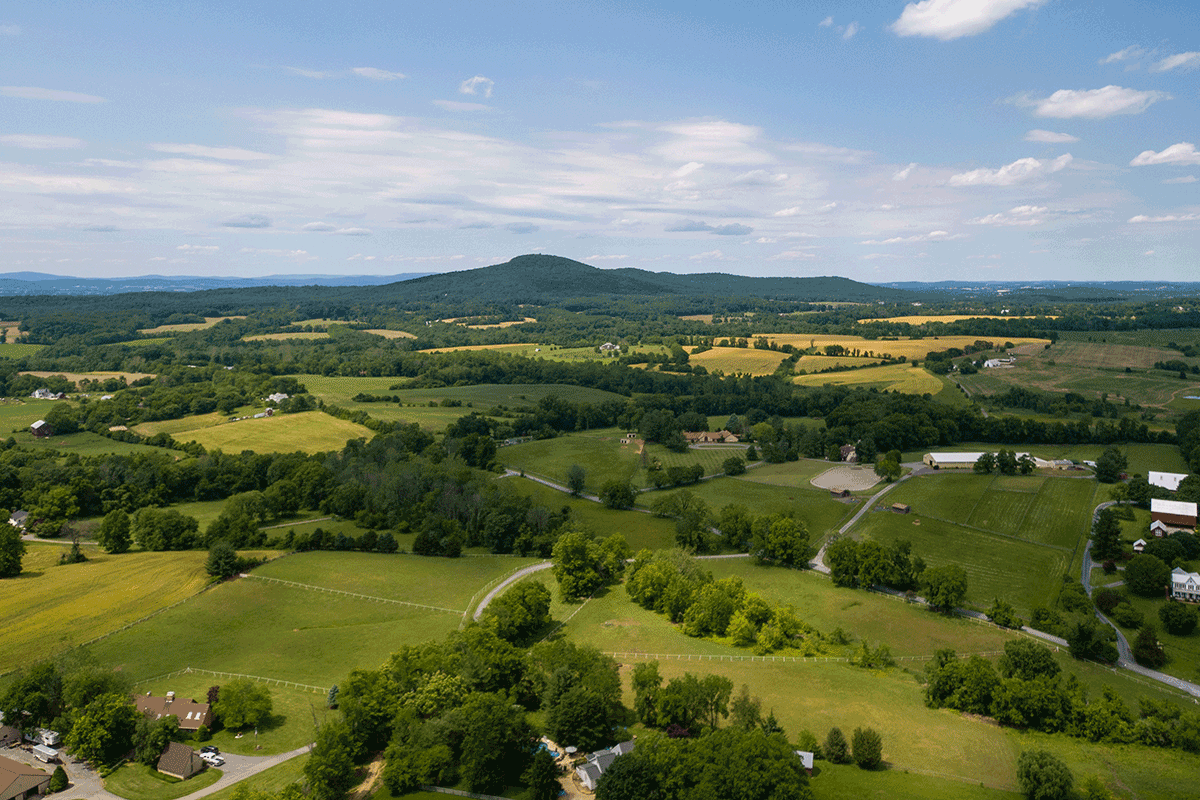
Protecting the Sugarloaf Mountain Area

Updated January 6, 2024

On December 19, 2023, the Frederick County Council voted down a once-in-a-generation proposal to strengthen conservation and agricultural zoning on 19,700 acres in the southern part of the county.

The area in question in Frederick County is contiguous with Montgomery County’s Ag Reserve.  It encompasses 3,400-acre Sugarloaf Mountain and an additional 16,300 acres to the east of the mountain all the way to I-270.  

The vote came after a three-year process, which saw the Frederick County Council approve a comprehensive land-use plan—the Sugarloaf Mountain Treasured Landscape Management Plan—for the area in the fall of 2022.  The Council struggled, however, to come to political consensus and agreement in 2022 and again in 2023 on an accompanying zoning ordinance—called an “overlay”—that would implement and enforce the plan’s land-use guidance. 

That struggle occurred despite urging by Frederick County’s own planning commission and the Maryland’s Department of the Environment to approve the overlay. 

In a nutshell, the debate pitted environmental and civic groups (including SCA) against developers, real estate interests, and business groups. The latter prevailed in a county long bent on loosely regulated growth.      

The practical upshot is that the area’s existing zoning stays in place, with no updated conservation protections for natural resources, streams, trees or natural habitat— amid the known and unknown threats posed by climate change.    

Importantly, that existing zoning largely prevents commercial and dense housing development without explicit permission from Frederick County authorities.  But the failure of the Frederick County Council to enact the overlay opens up a path for developers and landowners to apply for zoning exemptions on a case-by-case basis.

Read More
Montgomery County's Sole Source Aquifer - The Good Gift

“Our aquifer is the bloodstream for all farmers in the Agricultural Reserve. It’s what sustains us. Gene Kingsbury, Kingsbury’s Orchard

This article is excerpted from the Spring 2024 issue of Plenty Magazine.  We present the initial portion of the article. You may then link to Plenty’s website to read the remainder of the piece, and see the charts and photos that accompany it.

“Our aquifer is the bloodstream for all farmers in the Agricultural Reserve. It’s what sustains us.”
Gene Kingsbury, Kingsbury’s Orchard

More often than not, when asked, folks in the D.C. metro region do not really have a fix on where the water that flows from their faucets comes from. Sure, residents and businesses know that they pay mWashington Suburban Sanitary Commission (WSSC) for their water and sewage service, and they may know that the origin of their water is the mighty Potomac River. But as to the details—filtration plant operations, the infrastructure that delivers the water from plants to homes and businesses, what happens when there is prolonged drought, these bits are hardly known.

More mysterious to many is where roughly 25-30,000 homes, businesses and farm enterprises get their water from in the nearly one-third of Montgomery County that is wholly outside the WSSC service area by design. nd that if the story I aim to share in two parts.

Read More
Our Unfolding Food Emergency

This article is excerpted from the Autumn Harvest Season 2023 issue of Plenty Magazine.  We present the initial portion of the article. You may then link to Plenty’s website to read the remainder of the piece, and see the charts and photos that accompany it.

The Montgomery County Council was uniquely visionary in 1980 when it protected 90,000 acres, nearly one-third of the county, for agricultural purposes. Now is the time to create more opportunities in the Agricultural Reserve for robust food production.

Stepping into a supermarket in 2020 or 2021 was a surreal experience—and wearing masks was only one reason. Empty shelves glared out at us. Where were the neatly shrink-wrapped packages of chicken? Why were there no eggs to be had? Peanut butter was in short supply, as were coffee and milk. There were many factors behind these shortages, but according to the Center for Strategic Studies, “The U.S. Food supply chain is highly efficient with low levels of redundancy, meaning that a small disruption in one part of the system can have cascading effects and cause food shipments to be delayed by days or weeks.”

Read More
Going Underground

“We know more about the movement of celestial bodies than about the soil underfoot.” Leonardo Da Vinci

This article is excerpted from the Spring 2024 issue of Plenty Magazine. We present the initial portion of the article. You may then link to Plenty’s website to read the remainder of the piece, and see the charts and photos that accompany it.

Stand outside during the tail end of winter and the local landscape is quiet, a palette of soft grays and browns—dormant-seeming, except for the scurrying of squirrels or a line of honking geese overhead. Deciduous trees are largely bare, apart from oaks and beeches, whose dead leaves cling to them for most of winter—a strategy dubbed marcescence—but that’s another story. No new sprigs of green, no burst of floral colors. By early March, many of us are desperate for spring, overflowing with signs of its rebirth.

But just below our feet lies an entire world whose activity barely shows all winter, a vital realm brimming with as much life, if not more, than we can see in plain sight. In reality, there are more living organisms in the soil than all the other life forms above ground! When we aren’t disrupting their work, the nourishment they help liberate is ready the moment the soil warms enough to activate growth in plants and to awaken seeds. In fact, “Soil is alive. Much more than a prop to hold up your plants, healthy soil is a jungle of voracious creatures eating and pooping and reproducing their way toward glorious soil fertility,” says Kathy Merrifield, a retired Oregon State University scientist.

Read More