Posts tagged Lauren Greenberger
Trash Burning No Longer Considered “Renewable Energy” in Maryland

Trash Burning No Longer Considered “Renewable Energy” in Maryland

April 10, 2025

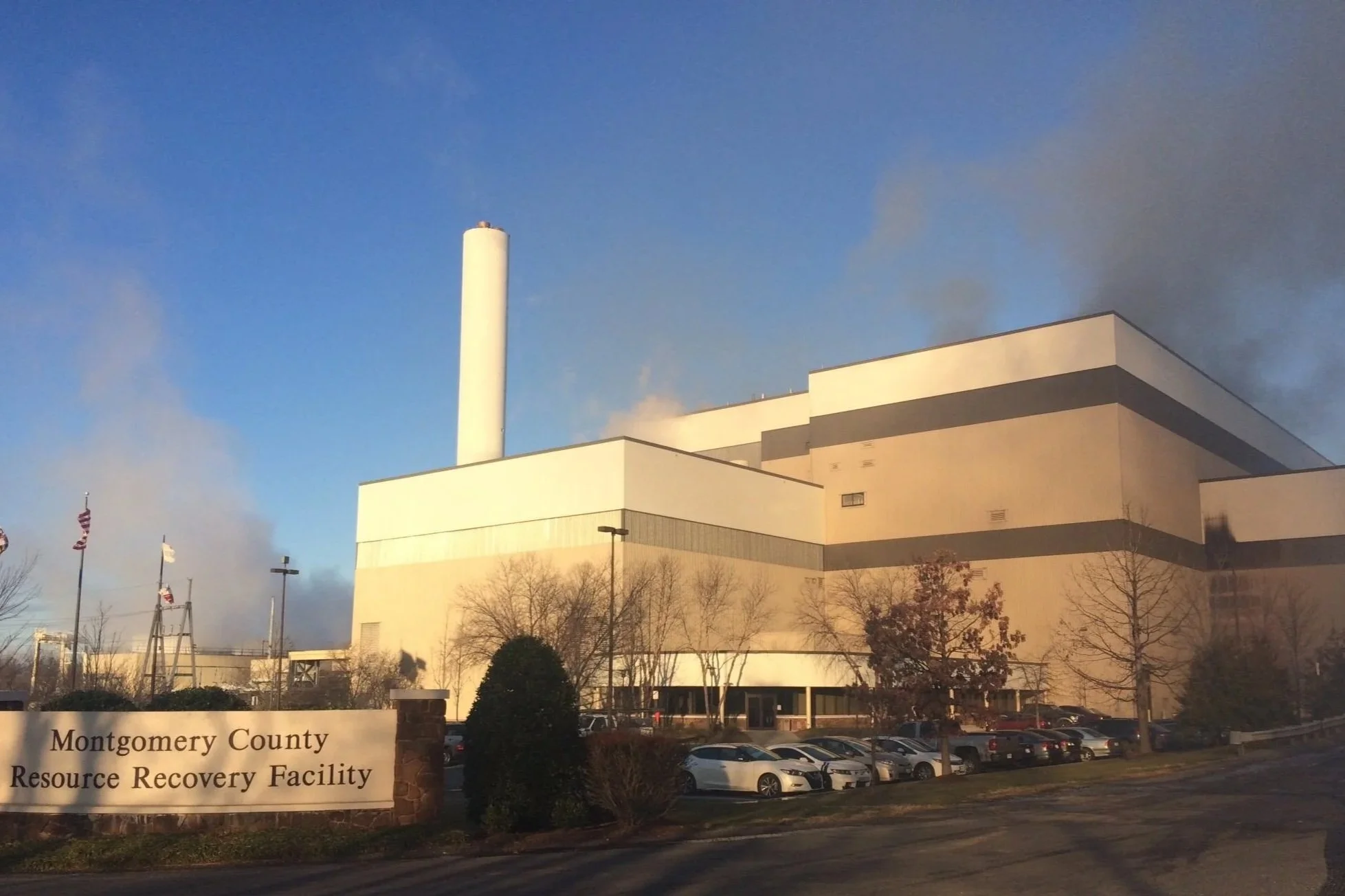
Maryland lawmakers enacted legislation on April 7 ending Maryland’s classification of trash incineration as “renewable energy.”

It’s been considered that since 2011, as part of the state’s “renewable portfolio standard” program. As such, the energy generated in “waste-to-energy” (or “refuse-derived fuel) facilities, such as the one in Dickerson, was treated the same as energy produced by solar and wind facilities. That included subsidies to help promote renewable energy sources.

Thus, incinerators effectively took money out of the pockets of solar, wind and other clean energy companies—even as incinerators polluted the air and generated greenhouse gases. Since 2011, Maryland consumers have supported the Dickerson incinerator to the tune of around $30 million.

The new law is a huge win for environmental, civic and energy justice groups—includingSCA—which have been pushing this outcome for years.

Maryland is now the second state, after California, to delete trash incineration from its renewable energy portfolio.

“It’s about time,” said Lauren Greenberger, SCA’s vice president and main advocate on the issue. “It’s been such a ‘waste’ of money—pun intended—and has helped prop up the remaining incinerators in the state, which are too old, inefficient, and produce dirty energy.”

Added Jennifer Kunze, Maryland Program Director with Clean Water Action: “This action will help support the development of zero waste infrastructure by making it easier for composting, reuse and recycling, and other healthier solid waste management practices to compete without fighting uphill against state subsidies supporting the worst solid waste management option.”

Read More
Our Position on the County’s “Zero Waste” Plans

Our Position on the County’s “Zero Waste” Plans

Updated February 7, 2025

On Jan. 28, SCA shared its perspective on the County’s waste management plans at a briefing before the County Council.  At the invitation from the Council’s new president, Kate Stewart, we shared the floor with the County’s Department of Environmental Protection (DEP).  

It was a welcome opportunity to again state our opposition to the County Executive’s and DEP’s plan, announced on Nov. 25, 2024, to continue burning trash at the County’s incinerator in Dickerson for up to eight more years—rather than shutting the incinerator down in April 2026 as has been pledged for some years.

At the same time, we restated our strong support for DEP’s overall initiative to remake its waste management systems over the next decade.  That initiative includes enhanced recycling, an effort to compost all the county’s food scraps (commercial and home), a simultaneous roll out of unit pricing for residential trash (pay only for what you throw away), and new processes and technologies to reduce the amount of garbage currently being burned in the trash incinerator in Dickerson. 

On Nov. 25, County officials said they have authorized the Northeast Maryland Waste Disposal Authority (an entity that manages the County’s waste disposal) to extend for 5 years (from April 2026 to April 2031, and on an “emergency” basis) its contract with the private company Reworld (formerly known as Covanta), which operates the incinerator. 

The announcement states that the County has the “option for early termination” of the contract. A planning timeline on the county website indicates, however, that decommissioning would not begin until 2030 with full closure not until 2031 or even 2032.  DEP officials on Jan 28 affirmed that timeline to the Council. (SCA has not been granted access to the terms of the contract or the clause/section that would allow early termination.)  

County officials say the main reason for extending the contract is that trash incineration cannot be terminated until (a) waste reduction strategies, (b) technological enhancements and (c) alternatives means of trash disposal, such as landfilling are substantially built-out and fully implemented.  DEP claims that would take a minimum 5 years and more likely 6 to 7 years. 

Read More