Posts tagged Dickerson incinerator
Immediate Closure of Montgomery County’s Aging Trash Incinerator Demanded Following Disclosure of Additional Dioxin Leak

FOR IMMEDIATE RELEASE
February 26, 2026

Printable/PDF Version

Media Contact:
Lauren Greenberger
Vice President, Sugarloaf Citizens Association
lgreenberger@hotmail.com

Immediate Closure of Montgomery County’s Aging Trash Incinerator Demanded Following Disclosure of Additional Dioxin Leak

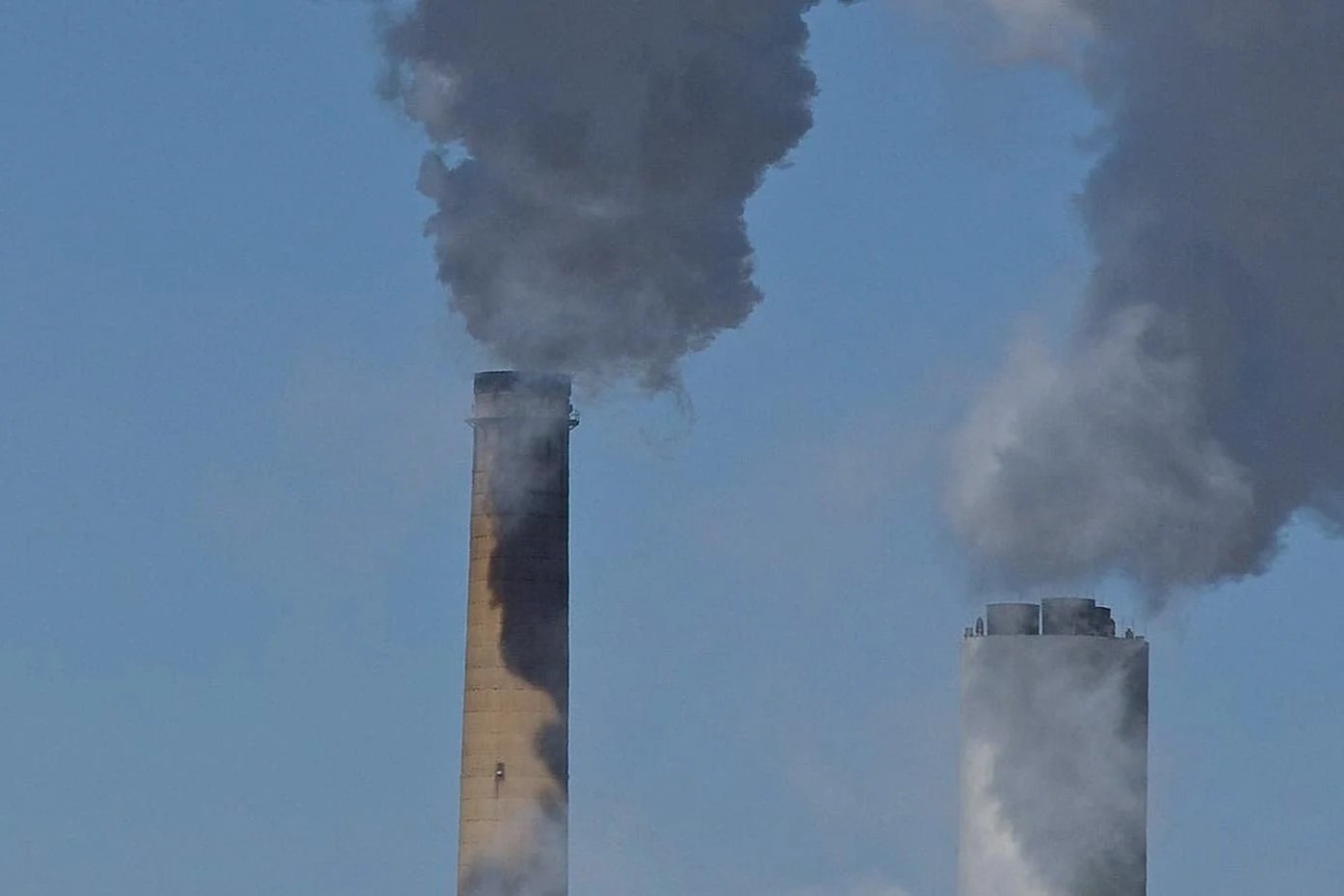
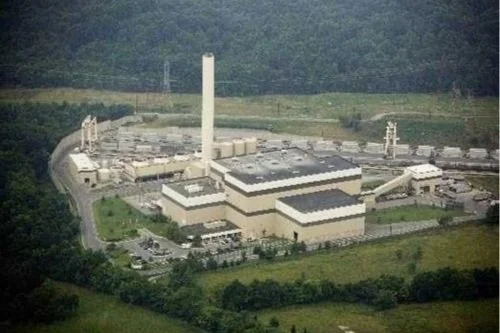
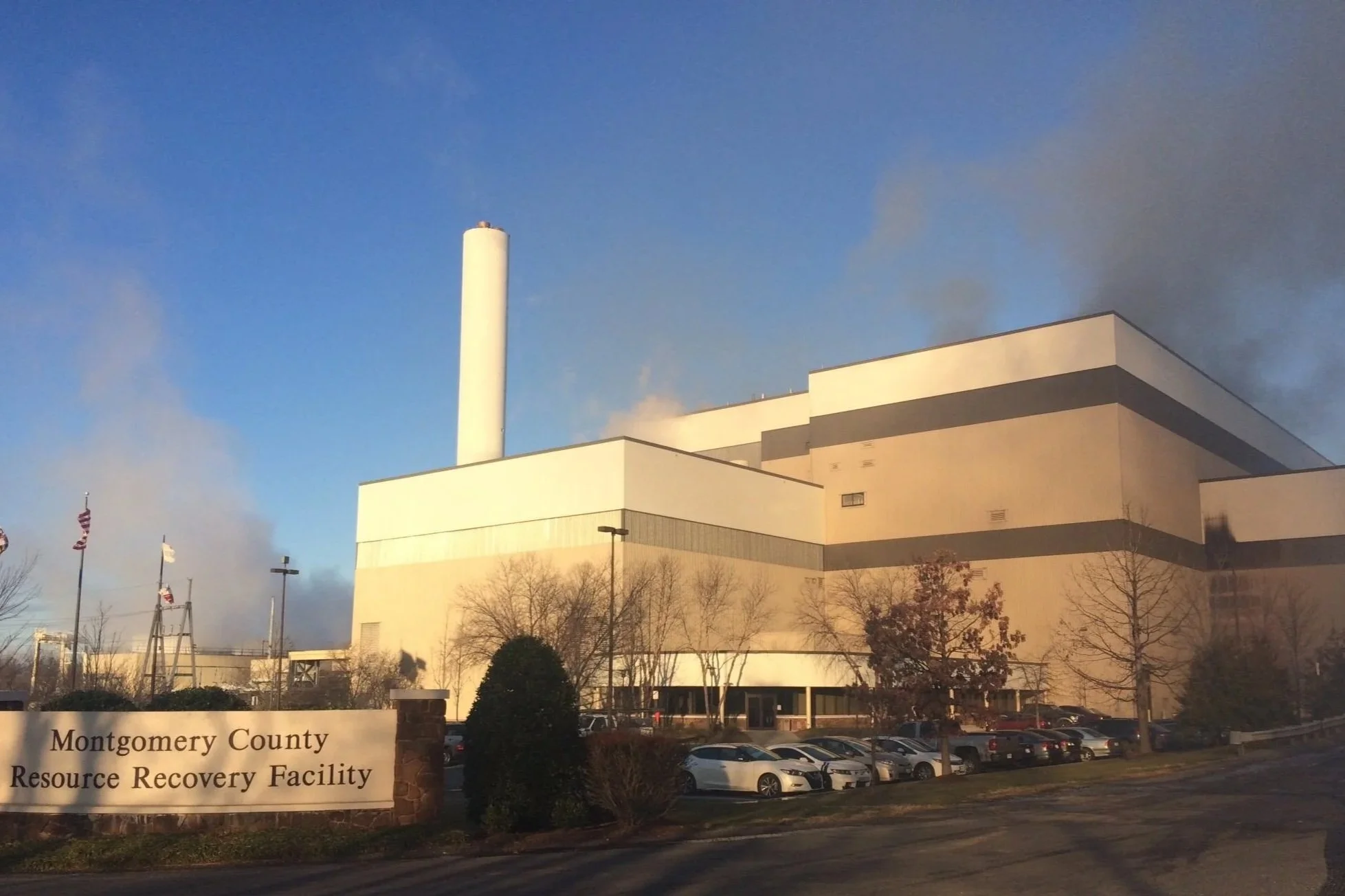
DICKERSON, Md.Following our February 20, 2026, press release on the topic, Sugarloaf Citizens Association received notification that a second and more hazardous dioxin and furan discharge occurred at the Montgomery County waste incinerator in Dickerson, MD.

The Montgomery County Department of Environmental Protection has released two statements about this leak: Feb 20, 2026 and Dec 17, 2025. The most recent test results show Unit 3 total dioxins and furans discharged averaged 54.8 ng/dscm at 7% oxygen, exceeding the limit of 30 ng/dscm at 7% oxygen.

This discharge is nearly double the allowable limit and 30 times greater than the average annual stack test results (2.6ng/dscm) for the past 3 years, according to data reported on the County website. There are no established safe limits for dioxin emissions. We are not aware of any similar testing done yet on the third operating boiler, Unit 1.

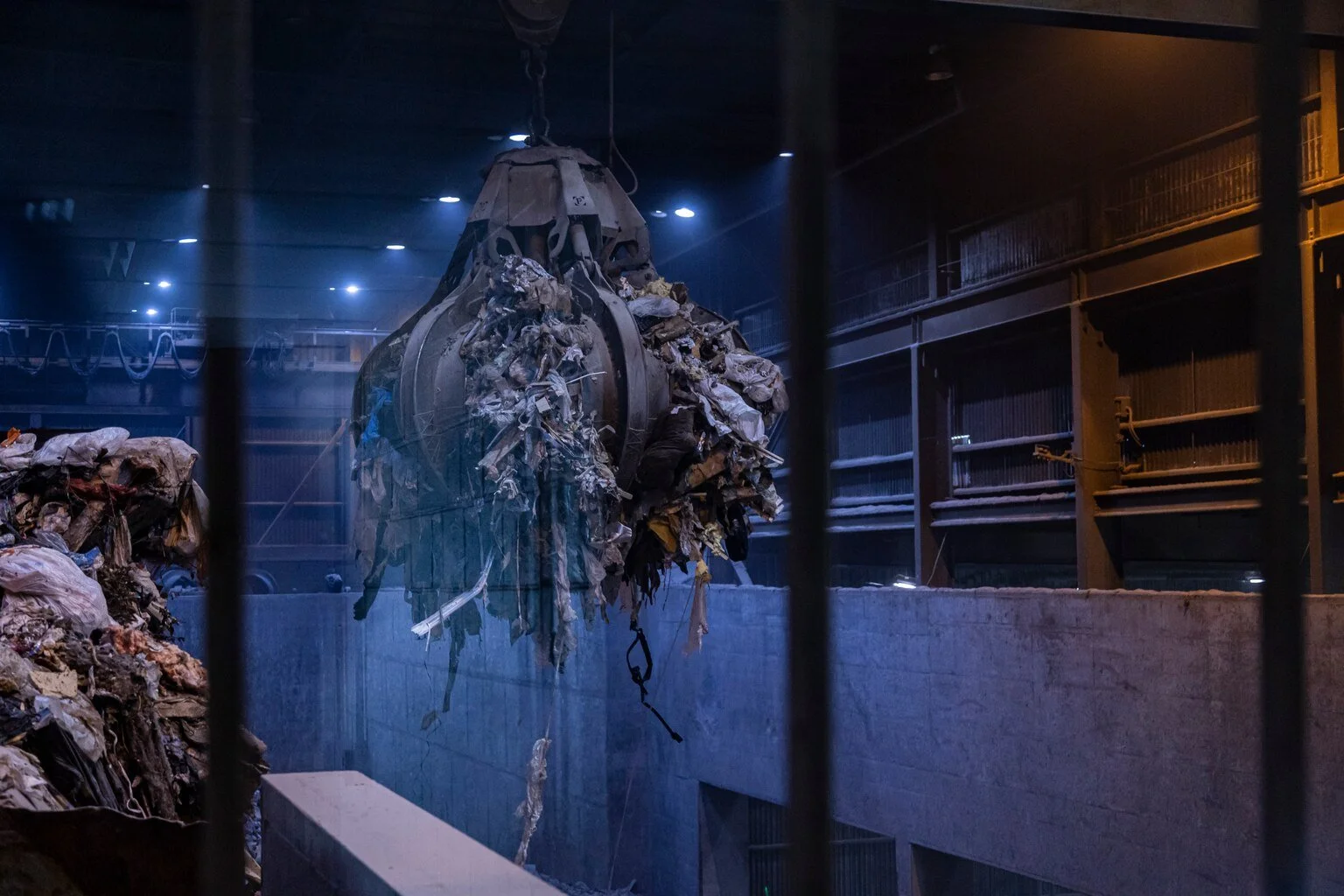
The incinerator, operated by Reworld, is currently the endpoint for all the county’s non-recyclable solid waste.

Given this updated and highly concerning test result, Sugarloaf Citizen Association urgently calls on Montgomery County leadership to act:

  1. We ask the County Executive and his Department of Environmental Protection for immediate closure of the waste incinerator as a response to this emergency and temporarily haul the county’s trash by truck to an interim landfill site.

  2. We ask Montgomery County Council members to approve the County Executive’s FY27 budget that will include permanently shuttering the incinerator, ending toxic ash dumping on a community in Virginia, hauling what we can't recycle to a well-vetted landfill, and initiating robust food-scrap composting, and other well-studied waste reduction strategies.

This additional leak from the 30-year-old incinerator comes amid longstanding concerns about health hazards to the community and local agriculture associated with trash incineration, which also produces other toxic chemical emissions such as mercury, sulfur dioxide, arsenic, beryllium, lead, nitrogen oxides and fine particulate matter into the region’s air.

“It’s beyond time to shut down the incinerator. “The County estimates that it will cost upwards of $365 million just to keep this aging facility functioning at permitted levels, otherwise, future leaks are inevitable.” says Lauren Greenberger, SCA vice president.


For more information on Montgomery County’s solid waste management transition from incineration to landfill, see:

About Sugarloaf Citizens Association: SCA is a nonprofit organization of volunteers founded in 1973. Our primary mission is to preserve and protect the Agricultural Reserve — the 93,000 acres of northern Montgomery County zoned in the 1980s for farming, land conservation, and open space.

We also advocate for sound environmental stewardship and climate change policies in the Ag Reserve and for the county as a whole — for the benefit of all residents.

# # #

Read More
Dioxin Leak at Dickerson Incinerator Prompts Call for Closure

FOR IMMEDIATE RELEASE
February 20, 2026

Printable/PDF Version

Media Contact:
Lauren Greenberger
Vice President, Sugarloaf Citizens Association
lgreenberger@hotmail.com

Dioxin Leak Adds Urgency to Shuttering Montgomery County’s Aging Trash Incinerator
DICKERSON, Md. — Alarmed by reports of a recent massive dioxin leak at the aging Montgomery County trash incinerator in Dickerson, MD, Sugarloaf Citizens Association (SCA) urges the Montgomery County Council to move forward expeditiously with plans to end trash burning and haul the county’s waste to vetted landfills outside the County.
The incinerator, operated by Reworld, is currently the endpoint for all the county’s non-recyclable solid waste.

In November 2025, a report by the county’s Department of Environmental Protection (DEP) revealed that the incinerator was emitting nearly double the permitted limit—and 21 times more dioxin and furans than the last test in 2024.  There is no safe emissions limit established for these toxic chemicals.

The dioxin leak from the 30-year-old incinerator comes amid longstanding concerns about health hazards to the community and local agriculture associated with trash incineration, which also produces other toxic chemical emissions such as mercury, sulfur dioxide, arsenic, beryllium, lead, nitrogen oxides and fine particulate matter into the region’s air.

“Further delay by DEP or the County Council is unacceptable,” says Lauren Greenberger, SCA vice president. “We have advocated for an alternative to incineration for more than a decade, given the incinerator’s profile as the worst single source of air pollution and greenhouse gases in Montgomery County. This recent leak is yet more evidence that this aging facility is a continuing dire public health threat.”

 Reworld estimated in 2025 that it would cost from $50 million to $100 million to keep the facility operating safely and efficiently for another 7 to 10 years. More recently, DEP cited potential costs as high as $365 million in that timeframe.  Most trash incinerators are decommissioned after approximately 22 to 27 years of use.  
SCA supports efforts by the executive branch and County Council to overhaul the County’s current trash management system.  We are encouraged to learn that a pending contract could soon be awarded to a company that will manage the system. The choice of the winning bid launches a process of evaluation by the Council and the public. That evaluation will focus on the bidder’s plans, the expected transition period to a new system, and the cost.
When implemented, the plan will initiate hauling the County’s trash by truck (and maybe in the future by rail) to landfills, most likely outside Maryland.  Montgomery County lacks its own viable landfill site. Truck hauling of trash to the nation’s roughly 3,000 landfills is by far the most common waste management system in the U.S. Only about 13% of our nation’s trash is still incinerated. 
This transition would mean that the Dickerson incinerator would be shuttered—once the new system is up and running.
Montgomery County Council President Natali Fani-Gonzalez has asked DEP and County Executive Marc Elrich for more information on the transition to landfilling and ways to reduce the County’s volume of trash.  She has also said in recent weeks that she will “not allow” the transition to landfilling to be debated by the Council absent full details related to waste reduction, trucking to one or more landfills, and closing the incinerator—and the associated costs of a coordinated plan for all of that.    

“We understand Ms. Fani-Gonzalez’s desire for more details. We’d like those details, too.”  said Steven Findlay, SCA president. “But our concern is that her approach could significantly delay closure of the incinerator and the transition to a better, more environmentally safe, and less costly system.  After years of dithering and at least a million dollars spent on consultants, the time has come to get this done.”    

SCA requests that the County DEP disclose the nature, duration, and scope of the dioxin leak at the Dickerson incinerator and engage the Maryland Department of the Environment to assess related health consequences.
For more information on Montgomery County’s solid waste management transition from incineration to landfill, see:


About Sugarloaf Citizens Association: SCA is a nonprofit organization of volunteers founded in 1973. Our primary mission is to preserve and protect the Agricultural Reserve — the 93,000 acres of northern Montgomery County zoned in the 1980s for farming, land conservation, and open space.

We also advocate for sound environmental stewardship and climate change policies in the Ag Reserve and for the county as a whole — for the benefit of all residents.

# # #

Read More
SCA’s Position on Montgomery County’s Trash Overhaul Plans

Updated January 22, 2026

Note: See links to related material at the end of this update.

In September 2025, Montgomery County took a giant step toward overhauling its trash management systems. The County released an RFP (request for proposal) to private companies to propose the means and methods—and cost—of disposing of the County’s 550,000 tons per year of non-recyclable trash.

The bids from that process are now in and being evaluated. They are yet not public, and it may be the case that only the specifics of the winning bid will be made public—likely this month or by early February.

The winner of this bid process will be expected to manage the system they propose for an initial five years, with the likelihood the contract would continue beyond that point—if all goes well.

The choice of the winning bid launches a process of evaluation by the County Council and the public. That evaluation is primarily focused on the bidder’s plans, the expected transition period to a new system, and the cost.

The transition will be from burning the County’s trash at the Dickerson incinerator—the County’s existing system—to hauling it by truck (and maybe in the future by rail) to landfills outside the County and state.  Montgomery County lacks its own landfill site.

Truck hauling of trash to the nation’s roughly 3,000 landfills is by far the most common waste management system in the U.S. It accounts for the disposal of 65% of trash after recyclable material is diverted from the “waste stream.”

The transition in Montgomery County would mean that the 30-year-old Dickerson incinerator would be shuttered—once the new system is up and running.

By contract agreement, the County must give the incinerator’s operator, ReWorld, (formerly Covanta), six-month notice that its services are no longer needed.

It’s unclear at this point the time frame the bid winner will propose.

SCA has advocated for an alternative to incineration for more than a decade, and thus we have strongly supported the County’s RFP process. The Dickerson incinerator has been and remains today the worst single source of air pollution and greenhouse gases in the County—emitting toxic pollutants harmful to human health and some 600,000 tons per year of CO2 equivalent into our region’s air.

As bad as breathing these toxic fumes for decades has been for our community, the situation has become dire in recent months. An annual emissions test in September revealed that the incinerator regularly emitted nearly double the permitted limit and 21 times more of the deadliest chemicals known to science—dioxin and furans—since the last test was done a full year ago. There’s no safe emissions limit established for these toxic chemicals.

SCA’s advocacy to protect County residents’ health from the incinerator’s harmful emissions has influenced County officials to search for alternatives. But the rising cost of operating the aging incinerator facility also now plays a big role. At 30 years old, its infrastructure is breaking down. Most incinerators are decommissioned after approximately 22 to 27 years of use. ReWorld estimated last year that it would cost $50 to $100 million to keep the facility operating safely and efficiently for another 7 to 10 years.

Lingering confusion

Unfortunately, confusion about how the transition would and should roll out has recently raised the specter of delay—even before the winning bid has been revealed.

The new Council President, Natali Fani-Gonzalez, has told the County’s Department of Environmental Protection (DEP) that she will “not allow” the transition to landfilling proposal to be heard by the Council without seeing a full accompanying waste reduction strategy.

Such a reduction in the waste stream is a major component of the County’s overall plan. But how that gets implemented involves additional measures, some of which are complex and will take years to implement.

For example, the County Council has already budgeted for the first phases of an expanded program to remove commercial and residential food scraps from the waste stream. Three residential food scrap collection pilots are underway. The scraps would be composted along with yard waste. Food scraps make up between 17% and 20% of the current volume of waste. (See below for more about this and SCA’s role composting food scraps.)

Another component of the plan is to remove and recycle so-called “C&D” (construction and demolition) materials in lieu of burning or burying them. The County already does some of this. But a new, beefed-up program would seek to divert 100% of this refuse. C&D waste makes up about 20% of the County’s current waste stream.

A third aspect is to integrate high-tech methods to improve the County’s recycling rate—that is, to pull all the recyclable material possible from the trash after it is collected but before it goes to landfill. DEP is currently writing an RFP to choose a vendor to build and operate such a facility within the footprint of the Shady Grove Transfer Station (where most of the County’s trash goes first for sorting.)

A fourth strategy is to implement a Save-As-You-Throw payment scheme that would allow residents to recycle as much as they want, but pay a variable amount based on the volume of trash they put out (much the way we now pay for out electricity usage.)

These are important initiatives and SCA wholeheartedly supports them. However, we cannot support delaying the incinerator closure until they can all be fully implemented. The incinerator poses too great a threat to both human health and to the environment to justify further delay.

Personnel, politics and leadership

County elections in 2026 also threaten decisions and timelines affecting this issue.

County Executive Marc Elrich will be stepping down due to term limits. But he plans to run for a seat on the 11-member County Council (on which he served for many years before becoming County Executive). Three current council members are running to replace Elrich. And a host of candidates are poised to run for the council.

To add to the shifting landscape of County leaders, the new head of the Montgomery County Department of Environmental Protection (DEP)—Jennifer Macedonia—started in that post on Dec. 1. DEP is the County agency with purview over trash management.

As mentioned above, current County Council president Natali Fani Gonzalez (who represents District 6) is threatening to block discussion and a vote on the transition plan.

County Executive Elrich is working with Ms. Macedonia and DEP to develop a plan to present to the County Council in the next month that would lay out the specifics and timing of the various elements of a new waste management system. When the plan is presented, it’s our hope that the council president will bring it to the council for review and a vote on the plan and its budget in April or May.

SCA, other stakeholders, members of the County Council, and County residents now await announcement of the winning trash haul bid and the County Executive’s and DEP’s plans.

SCA’s position on closing the Dickerson incinerator

Any further delay in transitioning away from waste incineration this year is not in the best interests of County residents.

  • Landfills today are better regulated and operated than even five years ago. SCA vetted 42 in the region with strict environmental justice (EJ) criteria and found many that have minimal impact on both the nearby population and the surrounding environment and five that met every EJ criterion and have receiving capacity. Toxic emissions from our incinerator that can harm human health are 2.5 to 5 times worse than the vetted landfills.

  • Almost all modern landfills capture methane gas. Even with food scraps going to landfill, the greenhouse gas emissions would be around 40% lower than burning trash in Dickerson.

  • Continuing to burn the County’s trash would almost certainly cost millions of dollars more per year. That’s because the aging incinerator requires significant upgrades and maintenance if it’s to be kept operating safely. Thus, the change from incinerating trash to landfilling it will save County taxpayers’ money.

  • Switching to landfill will provide direct incentives to lower trash volume where burning does not. No matter the volume, the County pays ReWorld the same amount to burn.

  • Conversely, if we landfill our trash, we will only pay for the amount we send. As diversion and recycling increases, our costs will drop.

  • Montgomery County currently trucks 150,000 tons of toxic incinerator ash every year to a predominately Black community in Virginia. Sending our unburned trash to a vetted landfill that meets environmental justice criteria relieves an unhealthy burden to this community.

  • The County spent more than a million dollars on studies by consultants of alternatives approaches to waste management. Although some meaningful data and points were raised in those studies, DEP found bias in the results and ended up rejecting the overall recommendations in favor of pursuing the landfill option and closing the incinerator.

The bottom line is this: If the price of truck hauling and landfill presented in the winning bid is acceptable and if the County enhances its recycling rate even further, diverts food scraps to compost, and incentivizes businesses and citizens to produce less garbage through behavioral change, the volume of trash going annually to landfill from Montgomery County could be reduced (over time) to an estimated 300,000 to 400,000 tons a year (reduced from 550,000 tons a year currently) with far less environmental and health impact, and release of greenhouse gases than incineration.

We’ll be updating this post as developments occur in coming weeks and months.

Read More
Trash Burning No Longer Considered “Renewable Energy” in Maryland

April 10, 2025

Maryland lawmakers enacted legislation on April 7 ending Maryland’s classification of trash incineration as “renewable energy.”

It’s been considered that since 2011, as part of the state’s “renewable portfolio standard” program. As such, the energy generated in “waste-to-energy” (or “refuse-derived fuel) facilities, such as the one in Dickerson, was treated the same as energy produced by solar and wind facilities. That included subsidies to help promote renewable energy sources.

Thus, incinerators effectively took money out of the pockets of solar, wind and other clean energy companies—even as incinerators polluted the air and generated greenhouse gases. Since 2011, Maryland consumers have supported the Dickerson incinerator to the tune of around $30 million.

The new law is a huge win for environmental, civic and energy justice groups—includingSCA—which have been pushing this outcome for years.

Maryland is now the second state, after California, to delete trash incineration from its renewable energy portfolio.

“It’s about time,” said Lauren Greenberger, SCA’s vice president and main advocate on the issue. “It’s been such a ‘waste’ of money—pun intended—and has helped prop up the remaining incinerators in the state, which are too old, inefficient, and produce dirty energy.”

Added Jennifer Kunze, Maryland Program Director with Clean Water Action: “This action will help support the development of zero waste infrastructure by making it easier for composting, reuse and recycling, and other healthier solid waste management practices to compete without fighting uphill against state subsidies supporting the worst solid waste management option.”

Read More