Immediate Closure of Montgomery County’s Aging Trash Incinerator Demanded Following Disclosure of Additional Dioxin Leak
FOR IMMEDIATE RELEASE
February 26, 2026
Media Contact:
Lauren Greenberger
Vice President, Sugarloaf Citizens Association
lgreenberger@hotmail.com
Immediate Closure of Montgomery County’s Aging Trash Incinerator Demanded Following Disclosure of Additional Dioxin Leak
DICKERSON, Md.— Following our February 20, 2026, press release on the topic, Sugarloaf Citizens Association received notification that a second and more hazardous dioxin and furan discharge occurred at the Montgomery County waste incinerator in Dickerson, MD.
The Montgomery County Department of Environmental Protection has released two statements about this leak: Feb 20, 2026 and Dec 17, 2025. The most recent test results show Unit 3 total dioxins and furans discharged averaged 54.8 ng/dscm at 7% oxygen, exceeding the limit of 30 ng/dscm at 7% oxygen.
This discharge is nearly double the allowable limit and 30 times greater than the average annual stack test results (2.6ng/dscm) for the past 3 years, according to data reported on the County website. There are no established safe limits for dioxin emissions. We are not aware of any similar testing done yet on the third operating boiler, Unit 1.
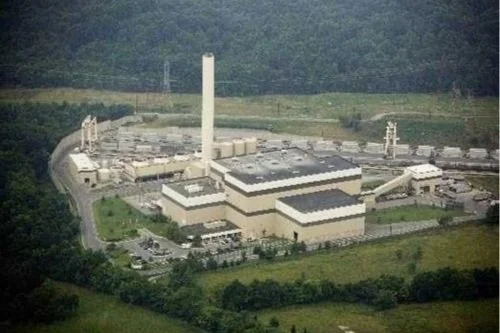
The incinerator, operated by Reworld, is currently the endpoint for all the county’s non-recyclable solid waste.
Given this updated and highly concerning test result, Sugarloaf Citizen Association urgently calls on Montgomery County leadership to act:
We ask the County Executive and his Department of Environmental Protection for immediate closure of the waste incinerator as a response to this emergency and temporarily haul the county’s trash by truck to an interim landfill site.
We ask Montgomery County Council members to approve the County Executive’s FY27 budget that will include permanently shuttering the incinerator, ending toxic ash dumping on a community in Virginia, hauling what we can't recycle to a well-vetted landfill, and initiating robust food-scrap composting, and other well-studied waste reduction strategies.